Two clients walk into a furniture showroom in Dubai on the same morning. The first family has just signed a lease in Downtown and moves in five weeks from now; they need somewhere to sit and somewhere to eat by then. The second client is finishing a villa renovation and has been looking for the right sofa fabric for months; another few weeks matter less than the exact shade. Both are buying Italian furniture, and they need opposite plans. Deciding between stock furniture and a made-to-order piece starts with knowing which of these two situations each room is in.

Start with the date each room must work
Write down when each room genuinely has to function. In the Downtown apartment, the dining table and the main sofa are needed on moving day; an armchair for the bedroom corner can come later. In the villa, nothing can arrive before the floors, lighting and joinery are finished, so the date is set by the renovation, not by the calendar.
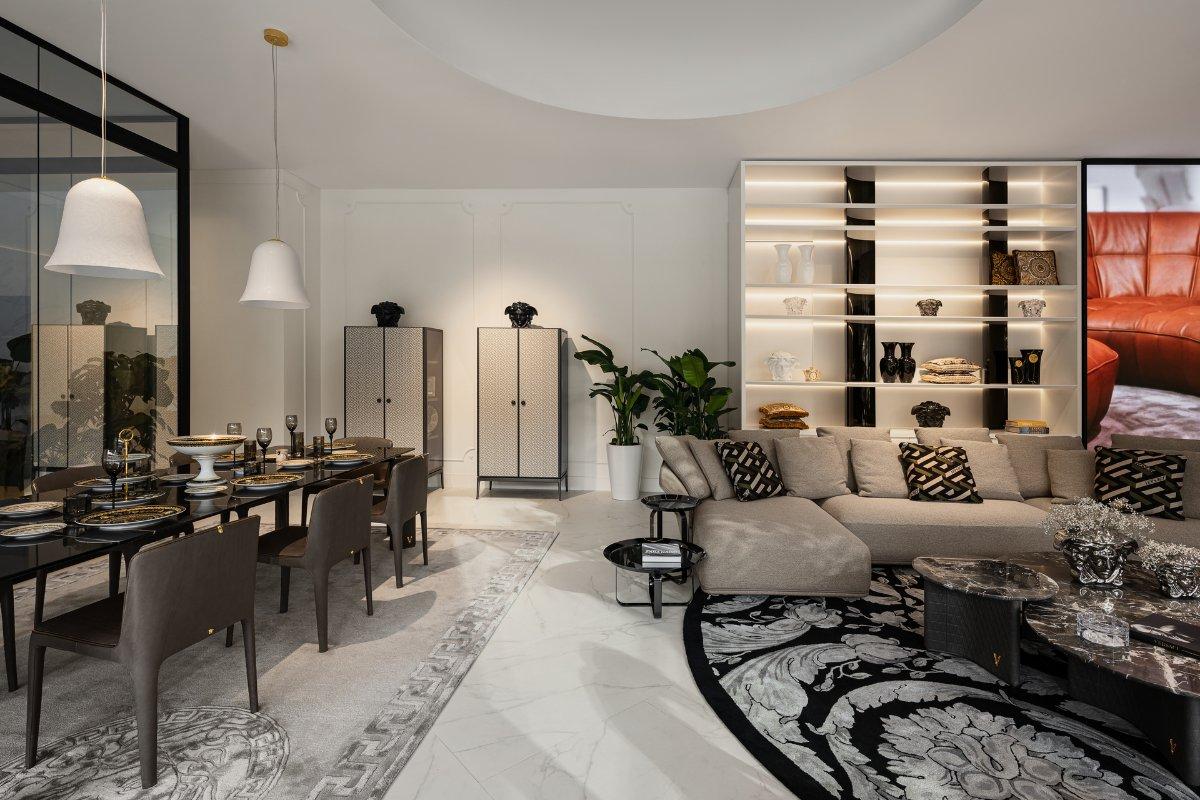
Then find the pieces that decide everything else. The sofa fixes the seating layout. The dining table determines where the pendant hangs and which chairs fit. A large cabinet affects sockets and circulation. Settle these first, even if they arrive last. Smaller pieces can be chosen once the main proportions are clear.
The fast route: what "in stock" should mean
Solomia Home's furniture catalogue has an "In stock" filter, and for the Downtown family it is the natural starting point. It has recently included Versace Home pieces such as the La Medusa round metal armchair and the Ovalina chair, as well as DV Home ottomans and consoles. Use it to build a shortlist, then ask the Solomia Home team to confirm availability, location, condition and the exact specification before planning the move around it. Online labels change, and an available piece may differ from the finish shown in a photograph.
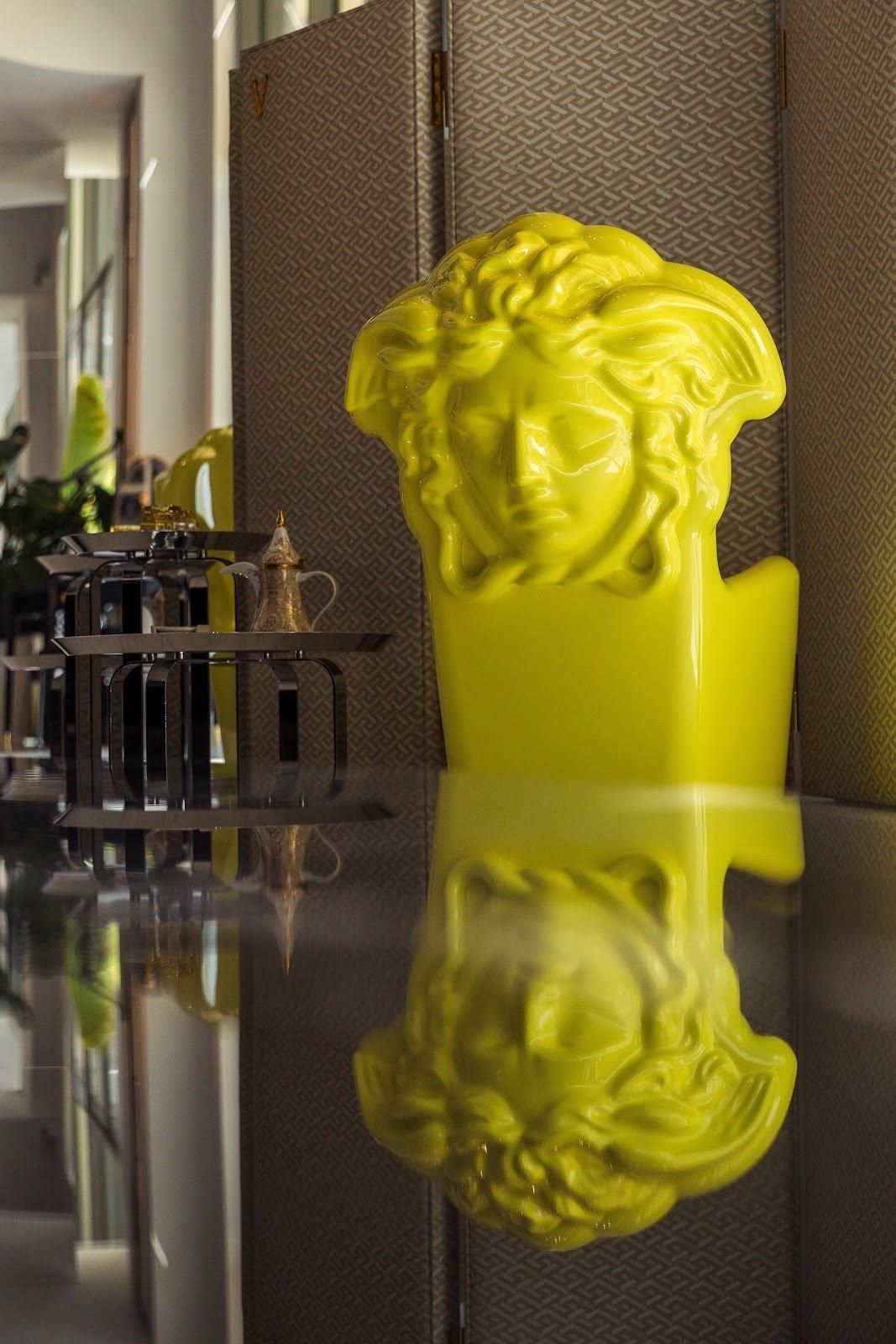
For each piece, ask for the model code, dimensions, finish, upholstery and quantity. Find out whether it is boxed stock or a showroom display piece, and whether you can see it before buying. If the material has natural variation, as stone and timber do, look at the actual piece rather than a photograph of the collection.
Delivery deserves the same attention. Share the address, floor, lift size and photographs of the route. In a Dubai tower, a narrow corridor or a small service lift can matter as much as where the sofa is stored. Agree in writing what delivery includes: access check, assembly, placement and removal of packaging.
The patient route: what made-to-order asks of you
The villa client's choice begins with decisions: model, dimensions, configuration, upholstery, finish and any permitted options. Record the names and codes on the order, with a drawing for modular or large pieces. Not every model can be altered, so check early whether the change you have in mind is offered for that collection rather than assuming that made-to-order means anything can be redesigned.
Ask for the milestones in writing: approval of the final specification, order acceptance, production, dispatch, arrival in Dubai, delivery and installation. Ask which dates are estimates and when you will receive updates. Do not take a lead time from a product page or from a friend's order, because materials, factory schedules and shipping differ from one order to the next.
Before you confirm, find out whether finish or size changes are still possible after the order is accepted, and how a change would affect price and timing. Keep the approved version in one document that both you and the showroom refer to.
Compare the whole purchase
An available piece wins when it fits the room and you genuinely like its exact finish. It loses when you accept the wrong size just to fill the space quickly. A made-to-order piece is worth the wait when a different fabric, table shape or sofa composition really improves daily life. Neither route is better in itself.
Mixing the two often works best. The Downtown family might take the dining table from stock and order the main sofa in the fabric they want, living with a simple temporary seat for a few weeks. The villa client might order the sofa and pick the side tables and lamps from stock once the room is finished. Decide where precision matters to you and where flexibility is fine.
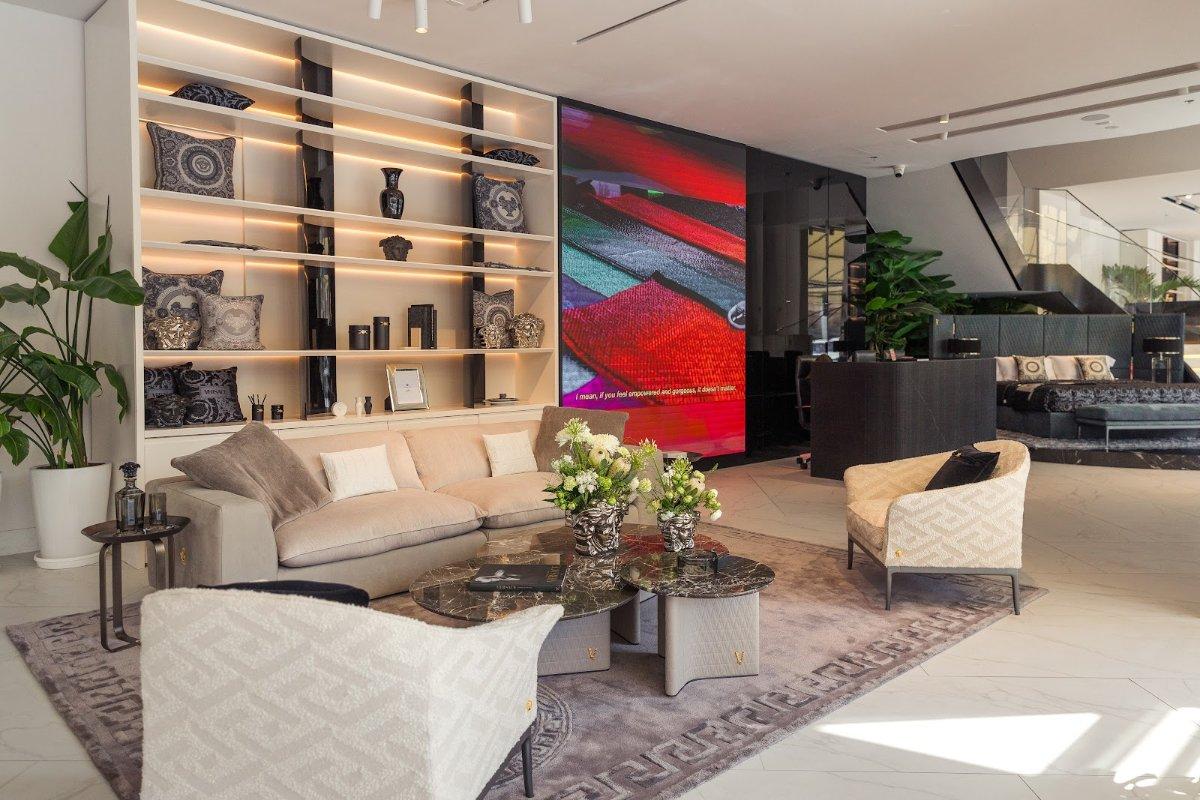
Keep the quotation, approved specification, delivery agreement and care documents together, along with any product guarantee sheet; it makes service and care questions simple later.
Bring a short brief to the showroom
Take the room plan, access measurements, your dates and a list of what is flexible and what is not. Ask the adviser to mark each item on your shortlist as an available piece or a defined order, and to put timing and service commitments in writing.
Start with the furniture catalogue, then bring the shortlist to the Solomia Home showroom in Dubai. Whether you are moving in next month or waiting for the right fabric, the team will help you build an order that has each room ready when you need it.