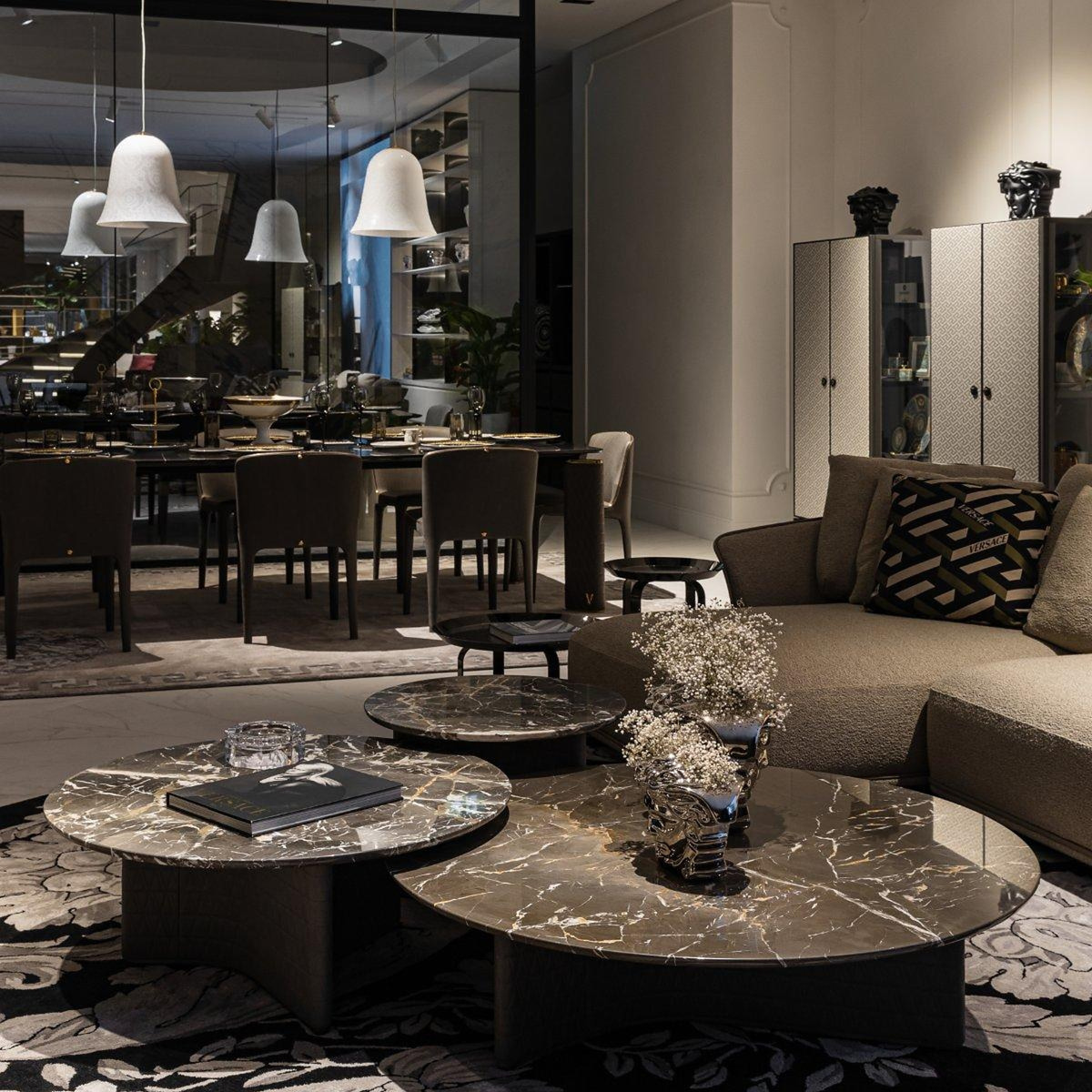
A photograph tells you how a sofa looks. Only a showroom tells you how it feels to sit in it for half an hour, how a drawer runs, what the back of a cabinet looks like and how a marble top feels under your hand. When choosing an Italian furniture store in Dubai, plan the visit as a walk through the showroom with a few clear questions at each stop. Here is that walk, as you might take it at Solomia Home.
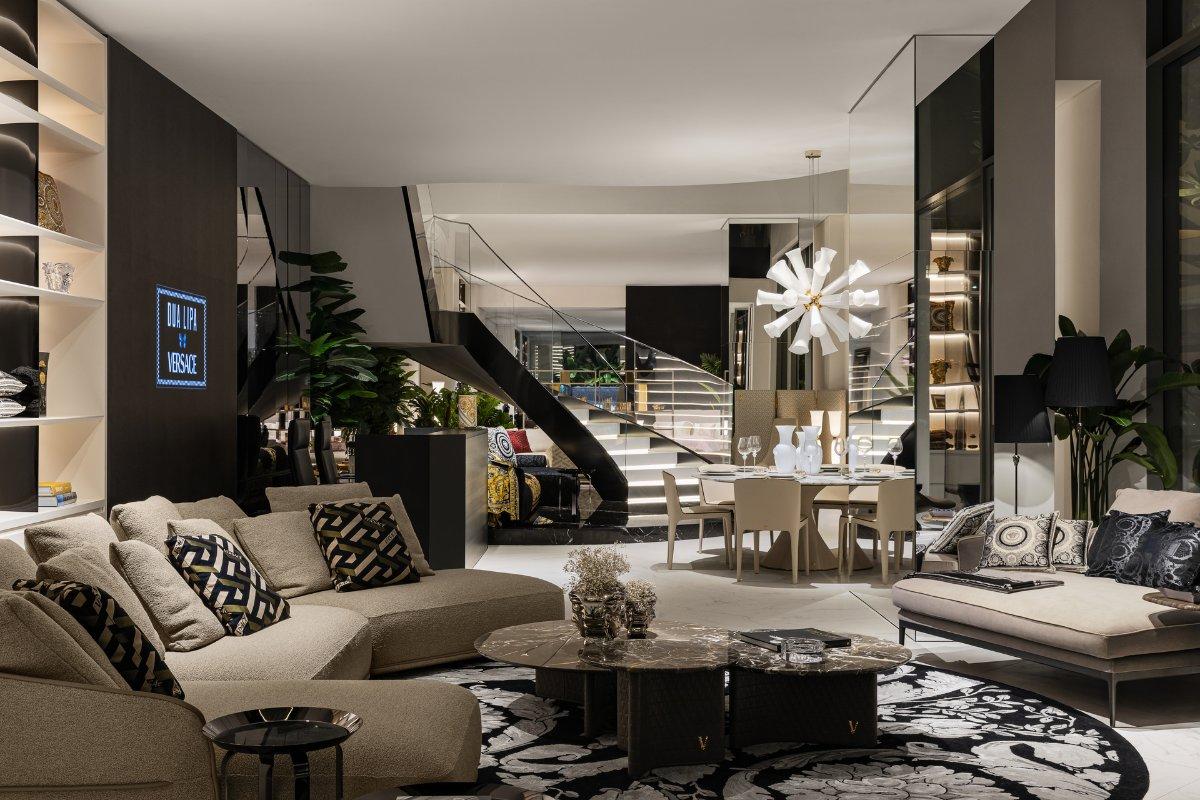
Before you go: three things in your bag
Bring a floor plan with the main dimensions, photographs of the room in daylight and in the evening, and the measurements of the lift, corridor and doors. Add a short note on how the room is used: who sits where, how often guests come, whether children or pets share the sofa. With that, an adviser can show you three suitable pieces instead of thirty beautiful ones.
First stop: the sofas
Sit as you do at home, then change position. Lean back as if watching a film, sit upright as if talking to a guest, stand up without using your hands. Everyone who will use the sofa should try it. A seat that feels soft and welcoming in the first minute may need more support after an evening, so give it time.

Then look at the details. Check the seams at the corners, how a pattern lines up across cushions and how the cushions recover after you stand. On a modular sofa such as the Sanders Air, look at the joins and ask for the configuration drawing. For the fabric, ask about its composition, cleaning and any performance data. A high abrasion number is helpful but not the whole story: the Association for Contract Textiles explains that standard tests rub the fabric flat, while a real sofa also wears on its edges and through cleaning. Ask how this particular cover should be cleaned and how it behaves in daily use.
Second stop: the dining tables
Pull out a chair and sit at the table as you would at dinner. Where do your knees meet the apron or the base? Can every chair slide in and out when all of them are around the table?
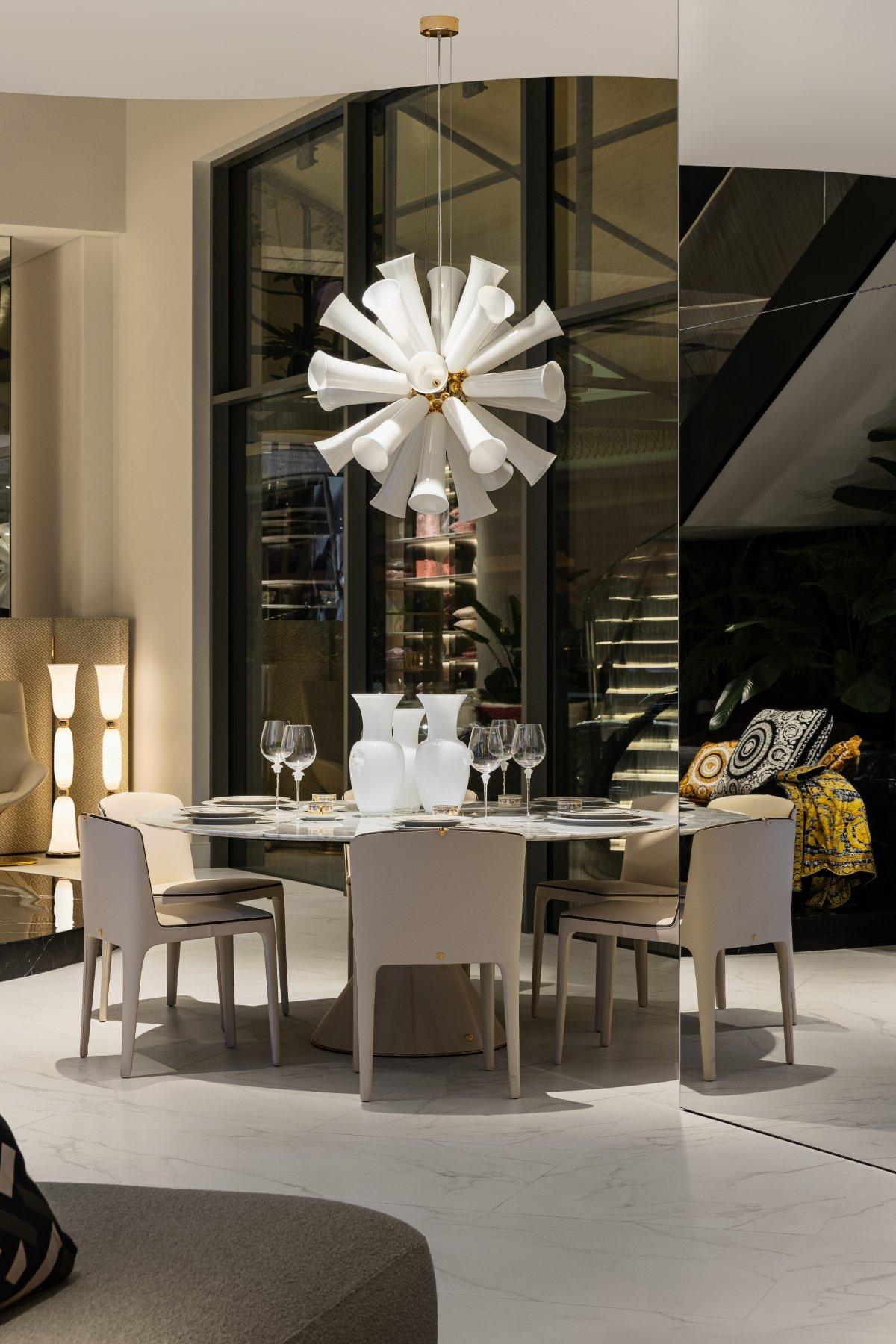
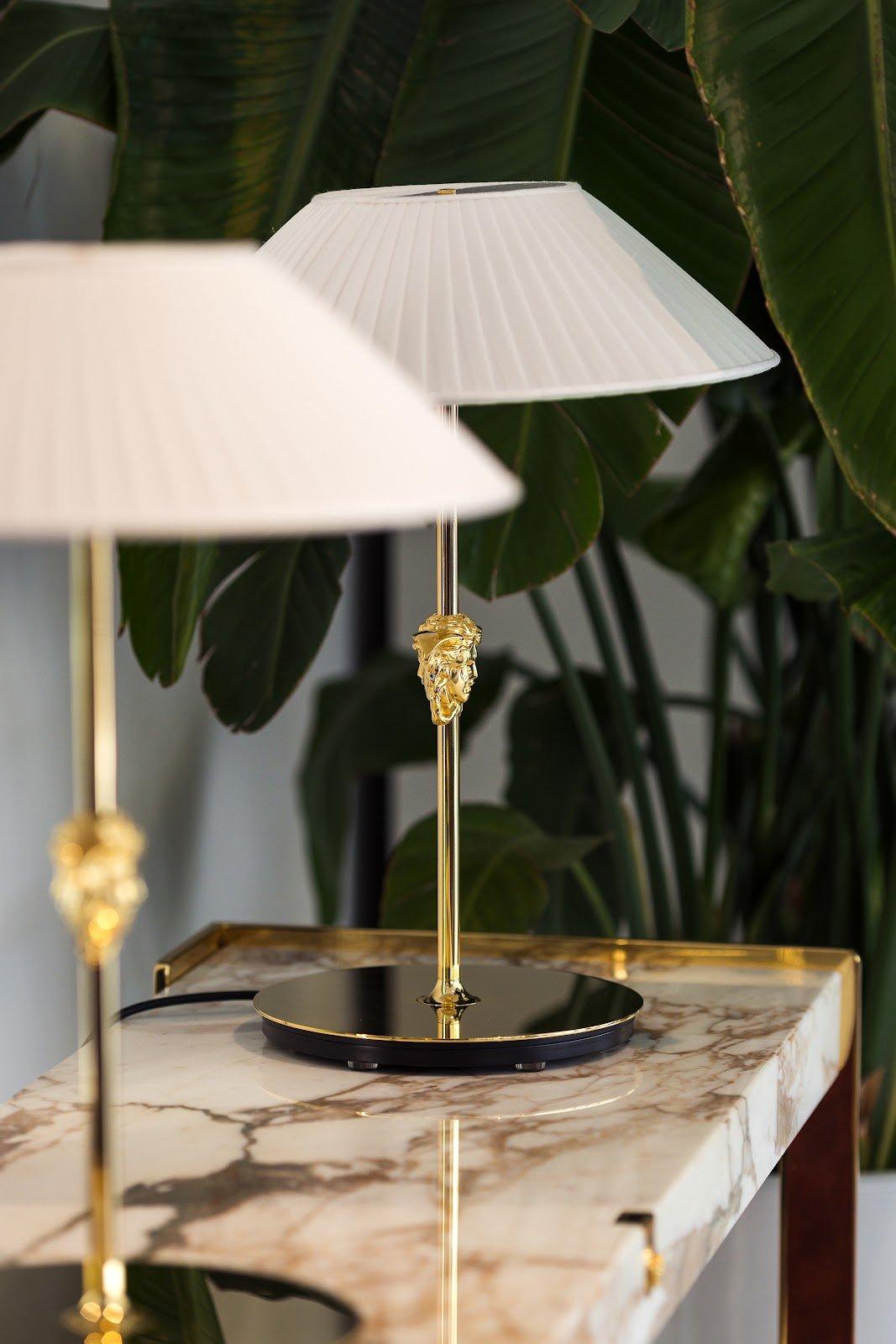
Then look closely at the top. Wood, veneer, lacquer, natural stone, ceramic and glass can look alike from across the room and behave very differently at home. Ask what the displayed top is made of and what the version you are buying will be. A pale marble and a pale ceramic can create the same impression but need different care. Even within marble the choice matters: the Versace Home V-Marble table is offered with a Carrara Gioia or a Marquina Black top, one pale and veined, the other almost black, and the two will look and age differently in the same room. With natural stone, ask which stone it is and whether it has been treated. The Natural Stone Institute distinguishes an etch, where an acid such as lemon juice dulls the surface of marble, from a stain absorbed into it. A sealer helps against stains but does not make marble stain-proof, so ask for care instructions for your exact stone and finish.
Look along the tabletop in low light to see the finish, run a hand along the edge and check how the edge meets the underside. For timber, look at how the grain continues across neighbouring parts. Natural variation is part of the appeal; the point is to know what to expect before ordering.
Third stop: cabinets and storage
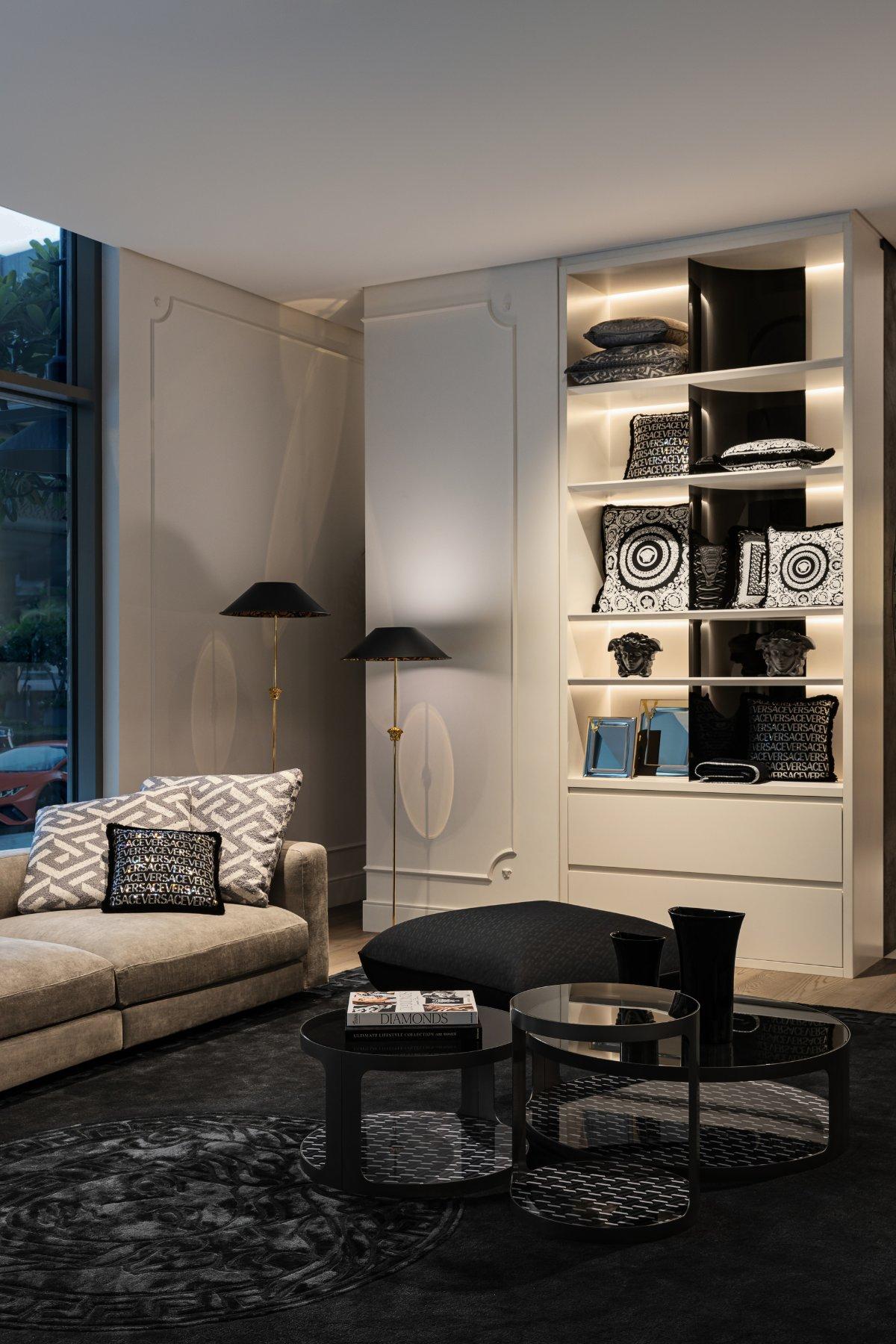
Open everything. A sideboard such as the Oblique by Ceccotti Collezioni is worth opening drawer by drawer. Check the inside finish, the hinges, how far the shelves adjust and how the doors sound and feel when they close. Look behind and underneath. Quality is easiest to judge where the eye is not directed first: doors that align, a table that stands firm, a finish that is as careful at the back as at the front.
Last stop: the fabric and finish table
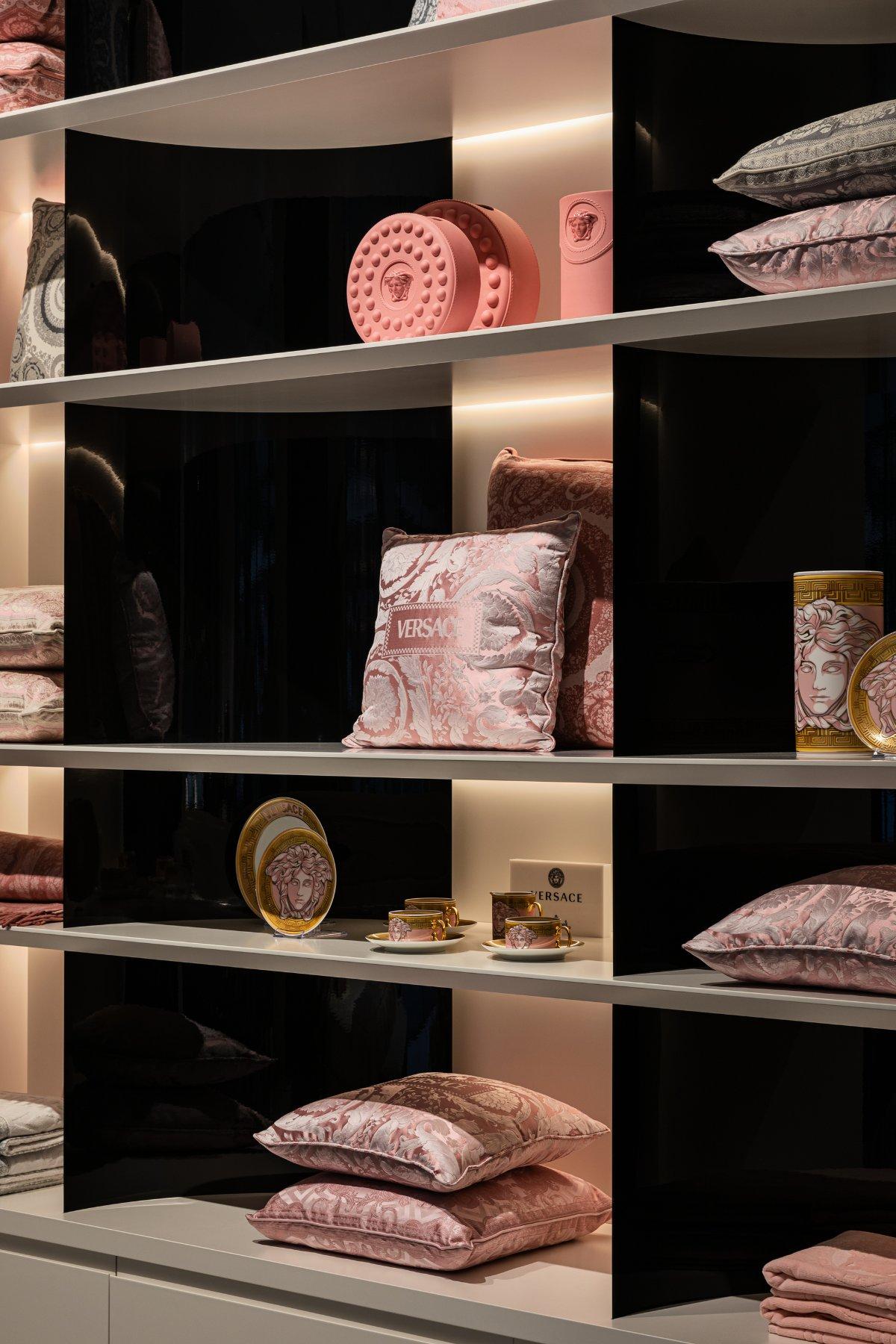
A small swatch on its own says little. Hold the upholstery next to your floor and curtain photographs, look at it in daylight by the window and under the showroom's evening lighting, and choose a sample large enough to show the texture and pattern. Ask whether the fabric has a protective finish and which cleaning products are safe for it. If samples can be borrowed, take them home and look at them in the actual room for a day; if not, bring your own floor or wall samples to the showroom. Write down the exact codes, because a shade you like is not yet an order.
Leave with clear answers
Before you go home, you should have the exact model and dimensions, the materials and finish codes, confirmation that the people who will use the piece find it comfortable, care instructions, delivery and assembly notes, and written order and after-sales terms. If something is missing, mark it and come back to it before you commit.
Prepare a shortlist in the furniture catalogue, then bring your plan to the Solomia Home showroom in Dubai. The advisers will walk the route with you, and if the question is bigger than one piece of furniture, Solomia's designers can look at the room as a whole.