Как кухня стала сердцем современного дома
В современном интерьере кухня давно перестала быть просто функциональной зоной. Сегодня это центр дома, его энергетическое ядро и визуальная точка фокуса. Именно кухня задает ритм пространства и определяет общее качество жизни.
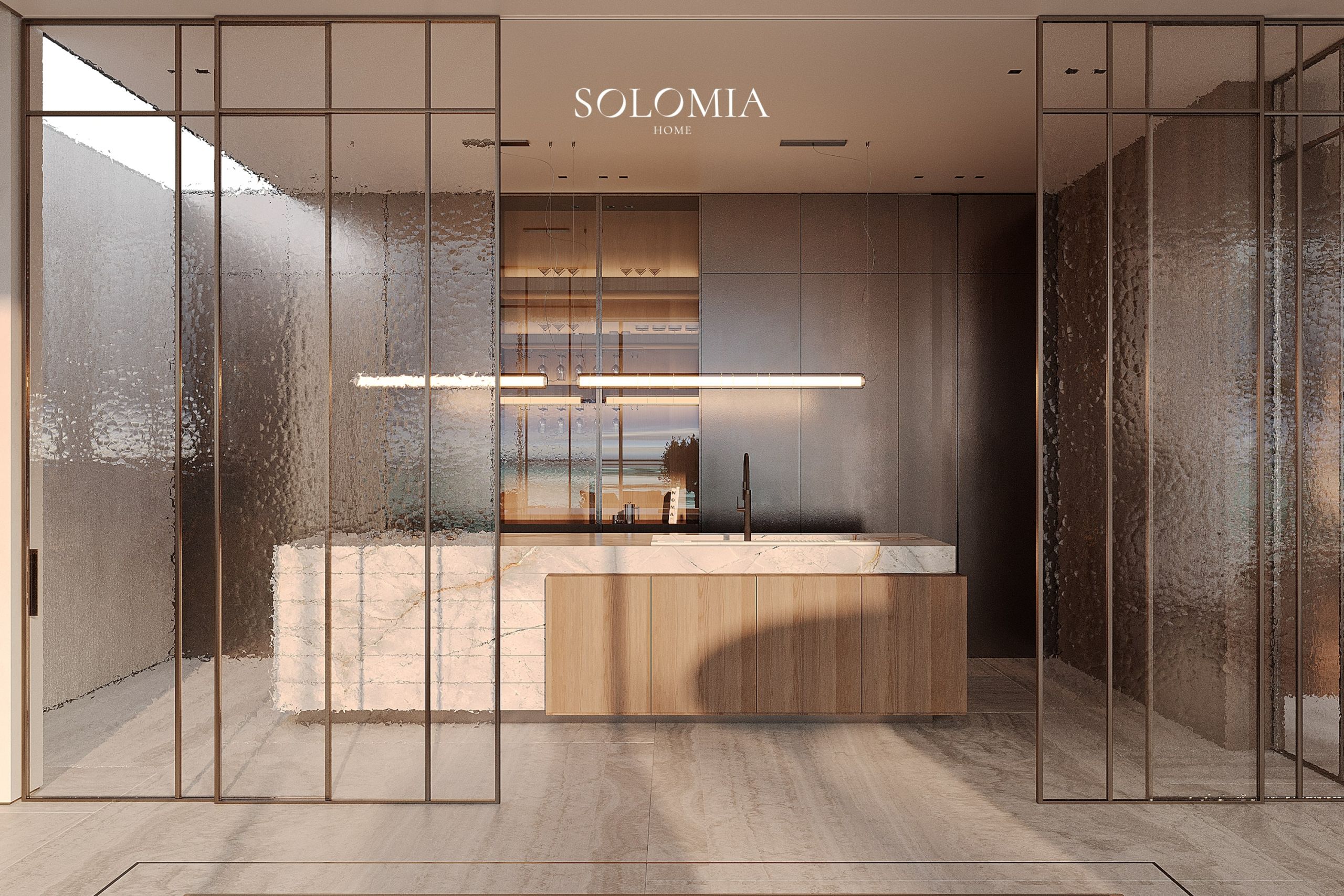
В авангарде этой трансформации стоит итальянский бренд Modulnova. Компания рассматривает кухню как архитектурную систему. Solomia Home использует решения Modulnova как основу для создания интерьеров, где мебель становится неотъемлемой частью архитектуры, а не отдельно стоящим объектом.
От семейного ремесла к глобальному бренду
История Modulnova уходит корнями в ремесленничество. Семья Пресотто начала работать с деревом в 1940-х годах, приобретя глубокое понимание материалов, которое невозможно воспроизвести только технологиями. В 1988 году братья Пресотто основали Modulnova с целью создания кухонь, которые адаптируются как к индивидуальности человека, так и к архитектуре дома. Название бренда отсылает к системе пропорций, основанной на человеческом теле, воплощая философию "портняжного дела", где каждый элемент "сделан на заказ".
Архитектурная философия: "Тонкий интеллект"
В основе концепции Modulnova лежит отказ от чисто декоративного. Здесь дизайн - это структура. Чтобы достичь этого "молчания формы", Modulnova использует инженерные достижения, часто скрытые от невооруженного глаза:
-
Аэрокосмическое наследие: Для создания фирменных 6-метровых дверей, которые остаются идеально стабильными, бренд заимствовал алюминиевую сотовую технологию из аэрокосмической промышленности. Это обеспечивает максимальную жесткость при минимальном весе.
-
Техника складывания: Для создания бесшовного визуального монолита Modulnova использует точное складывание. Края скошены под углом 45°, позволяя каменному или деревянному шпону непрерывно оборачиваться от лицевой стороны к краю, создавая иллюзию цельного блока материала.
Материалы как архитектурные инструменты
Modulnova работает с материалами, традиционно используемыми в тяжелом строительстве, перепроектируя их для домашнего масштаба. Эти поверхности сохраняют ощущение монолитной солидности, превращая кухню в долгосрочную инвестицию в стандарты жизни.
1. Спеченный интеллект: Kerlite
Kerlite представляет собой значительную эволюцию в архитектурных поверхностях, функционируя как ультратонкая "кожа" толщиной всего 3,5 мм, усиленная высокопроизводительной стекловолоконной сеткой. С инженерной точки зрения, его замечательно низкий вес 7,8 кг/м² - доля от 40 кг/м², характерных для традиционного фарфора, - позволяет создавать массивные, легкие фасады, которые минимизируют структурную нагрузку. Помимо физической гибкости, Kerlite лидирует в этике и гигиене; это первая поверхность, достигшая 100% нейтральности по CO2 во всем жизненном цикле. Более того, она интегрирует технологию Protect®, антибактериальную систему на основе ионов серебра, которая активно уничтожает 99,9% бактерий 24/7, обеспечивая непрерывную санитарию без необходимости активации УФ-светом.
2. Камень Piasentina: Геологическая память
Камень Piasentina, широко известный как "камень, который нравится" (una pietra che la piase), представляет собой редкую известняковую брекчию с родословной, насчитывающей 145 миллионов лет. Этот материал несет глубокое архитектурное наследие, служив краеугольным камнем для римских строителей в городе Forum Iulii и позже став предпочтительным материалом для мастера эпохи Возрождения Андреа Палладио. Его характерный эстетический характер определяется химическим составом: фирменные красноватые прожилки образованы включениями FeCO3 (карбоната железа), встроенными в породу. Сегодня Modulnova чтит эту глубокую геологическую историю, сочетая древнее наследие с современной точной резкой, превращая сырую доисторическую память в изысканный современный дизайн.
3. Алхимия Cementoresina
Cementoresina - это сложная многослойная система, которая достигает замечательной твердости по Шору D 82, несмотря на толщину всего 3 мм. Важным инженерным достижением этого материала является его высокая степень паропроницаемости; хотя поверхность полностью водонепроницаема, она остается "дышащей". Это уникальное свойство предотвращает задержку влаги за фасадами, обеспечивая долгосрочную структурную целостность и предотвращая рост плесени в высоковлажных кухонных средах.
4. Жидкий металл
Смешивая настоящую металлическую пыль со специализированными связующими, Modulnova создает поверхности с визуальным весом цельного литого слитка. Эта техника позволяет создать холодную, индустриальную эстетику, которая остается теплой и тактильной на ощупь.
Фирменные коллекции
Blade: Символ смелости бренда. Эти 10-мм фасады создают эффект единой архитектурной поверхности, ставший возможным благодаря технике Blade Lab склеивания ультратонкого камня или металла с алюминиевыми сердцевинами.
Twenty: Эта коллекция работает с объемом и светом. Здесь система Vertical Groove скрывает LED-освещение в 5-сантиметровом выступе двери, превращая простой шкаф в динамичную световую инсталляцию, которая подчеркивает минеральные текстуры камня.
Skill: Представляет интеллектуальный минимализм. Тонкие линии, скрытые зоны хранения и встроенная техника превращают рабочую зону в элегантный мебельный объект.
Роль Solomia Home
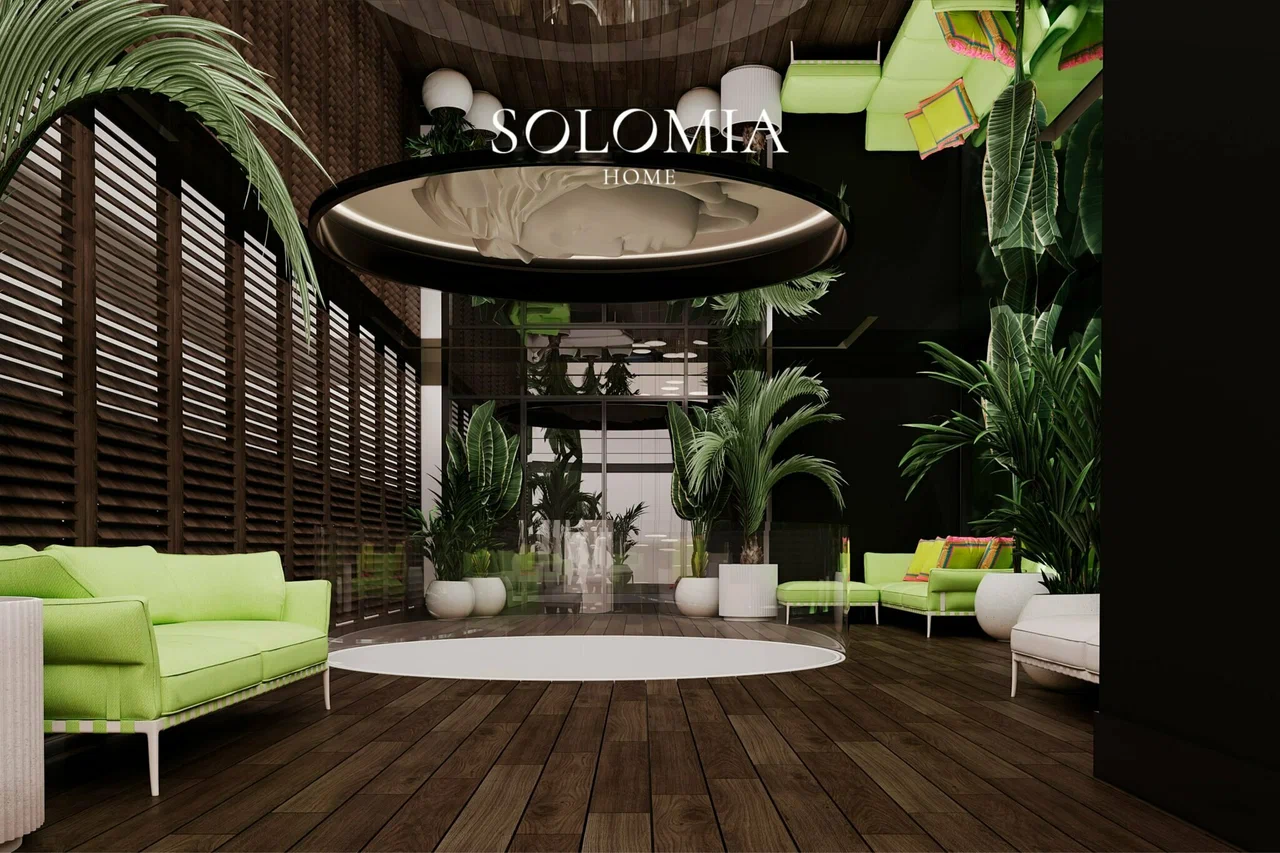
Solomia Home выступает не просто как поставщик, а как архитектурный партнер Modulnova. Компания управляет проектами полного цикла, от первоначальной концепции до финальной отделки интерьера. В мире, где роскошь определяется "молчанием формы", Modulnova устанавливает стандарт для жилья будущего. Команда Solomia Home воплощает этот дизайнерский язык в реальность.