








Giobagnara
company history
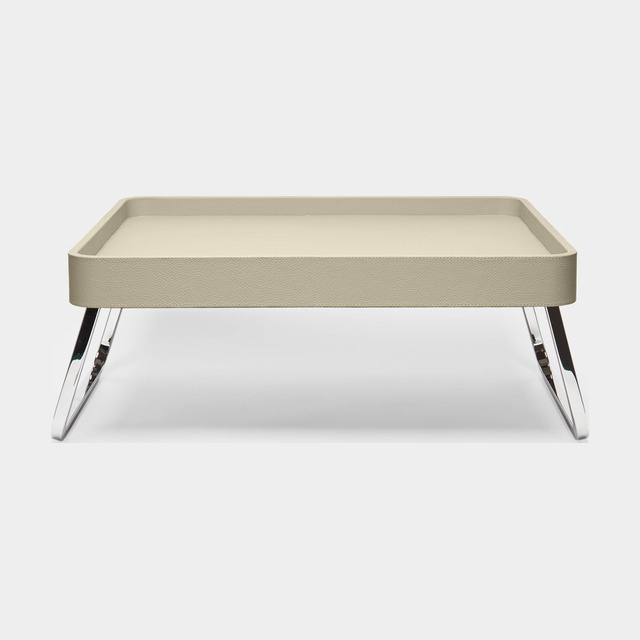
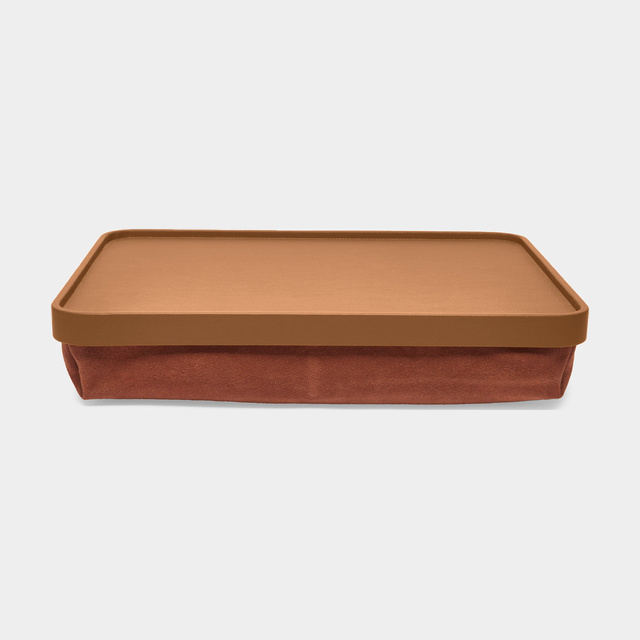
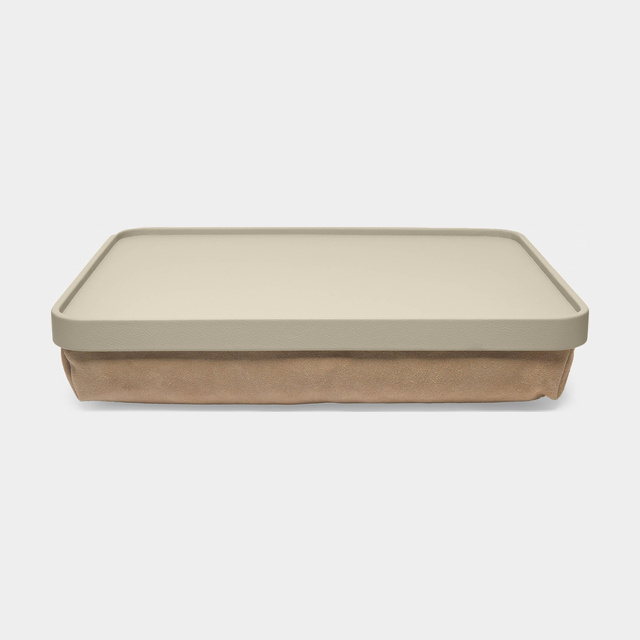
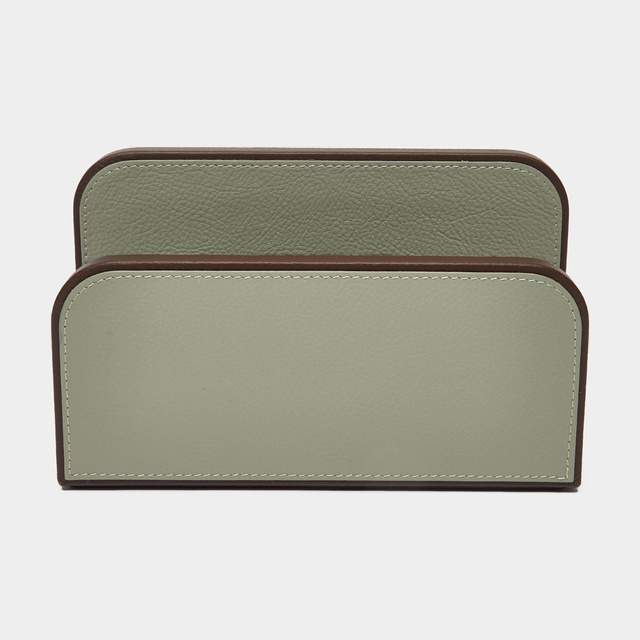
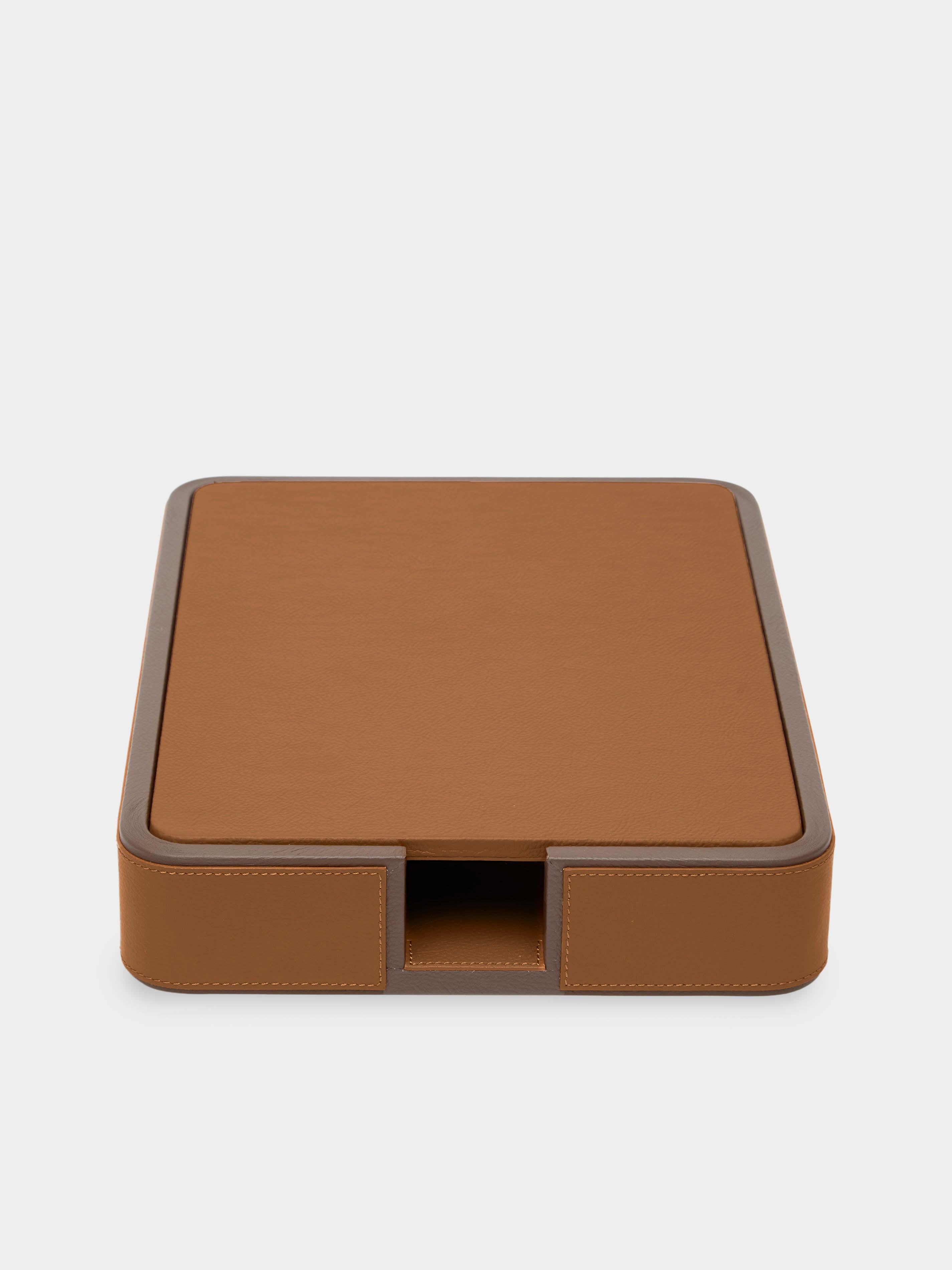
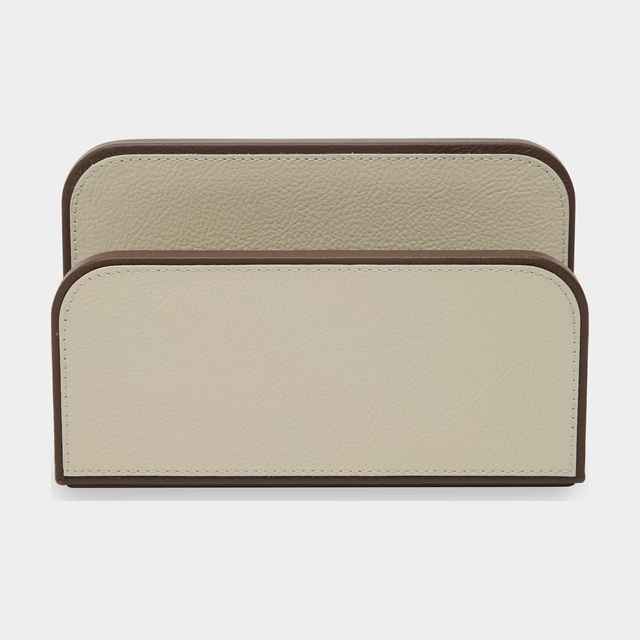
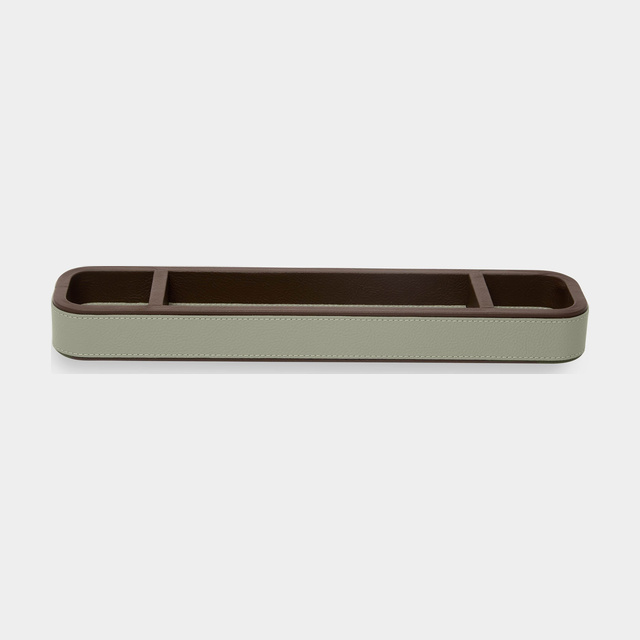
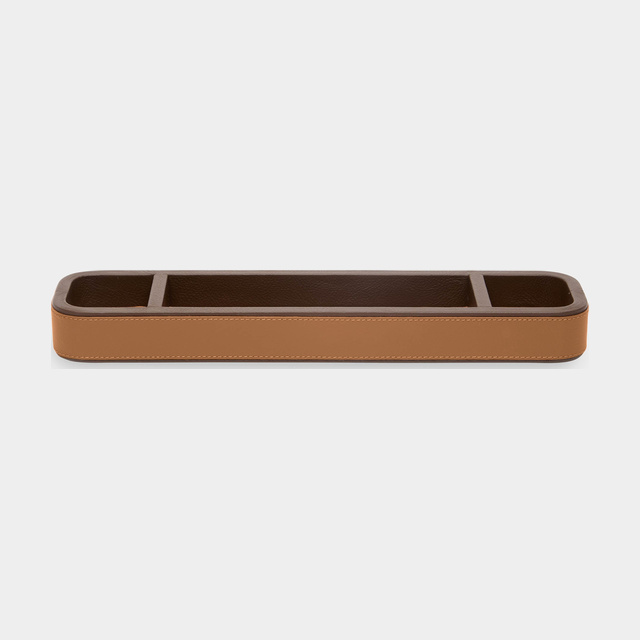
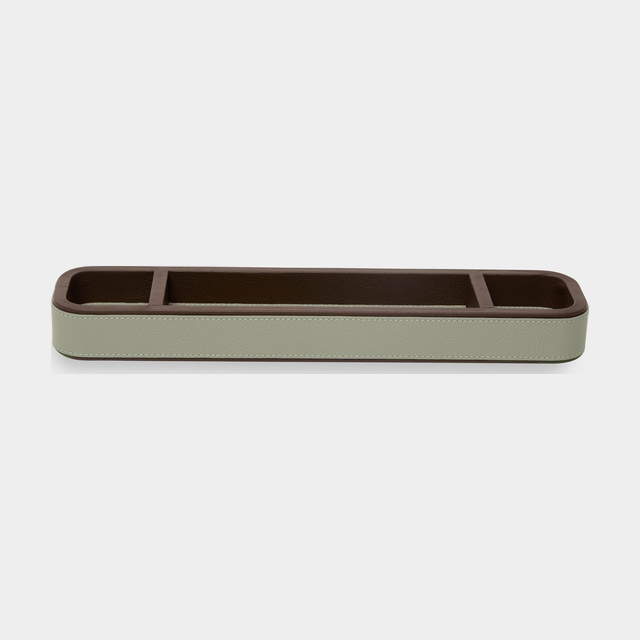
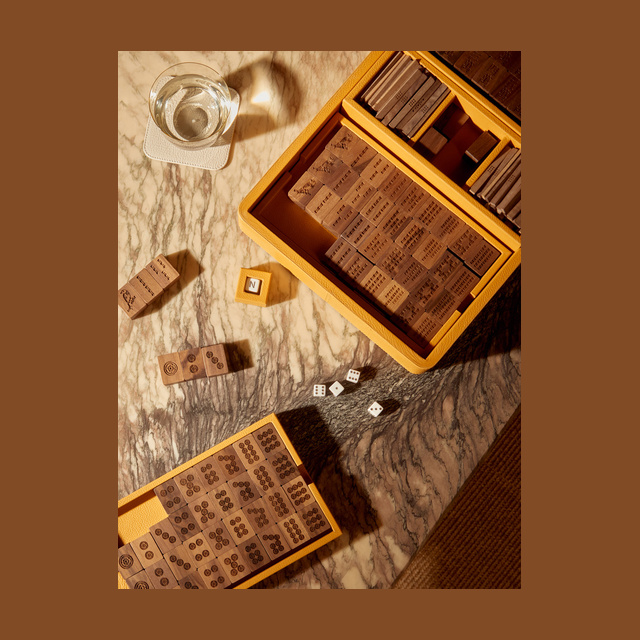
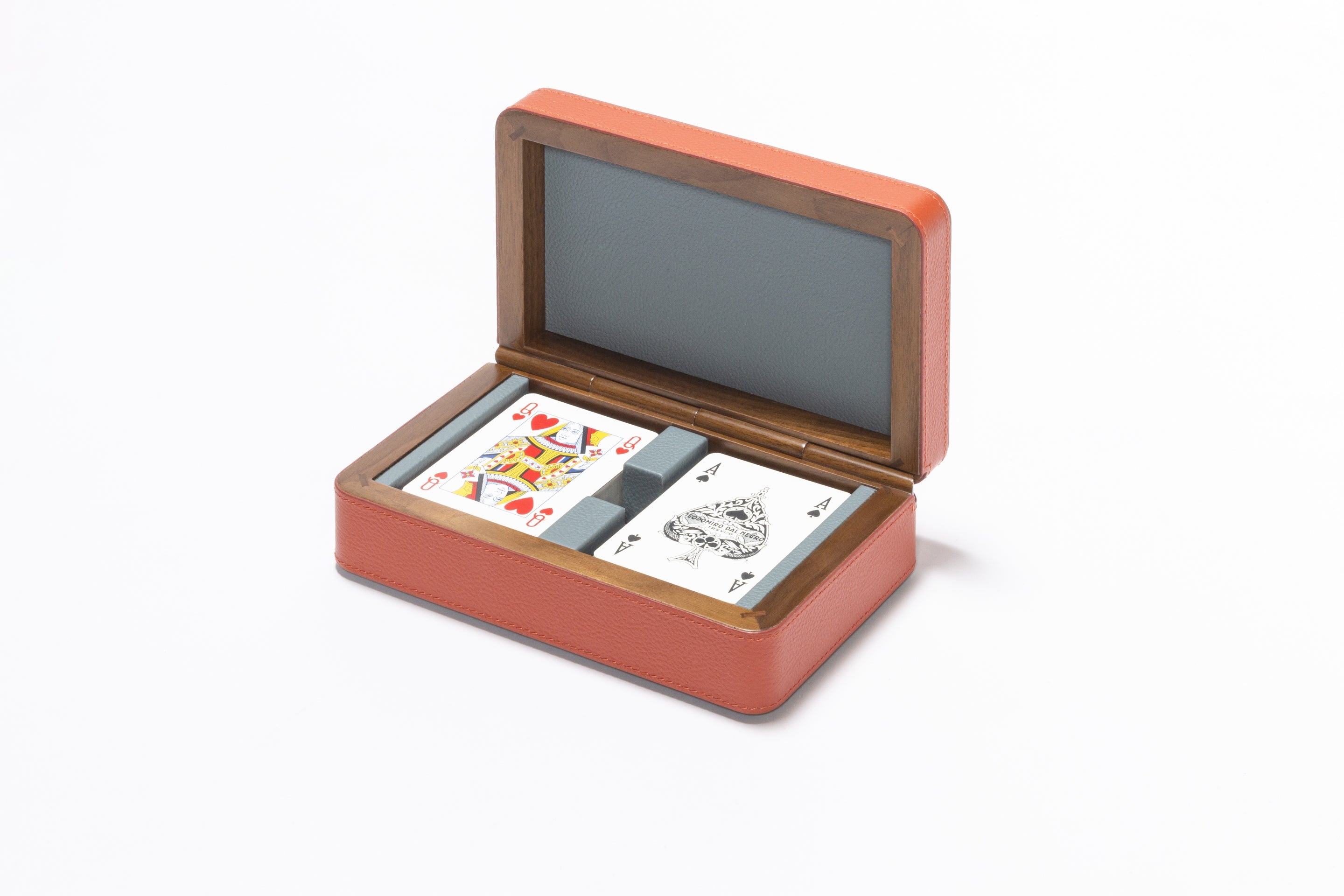
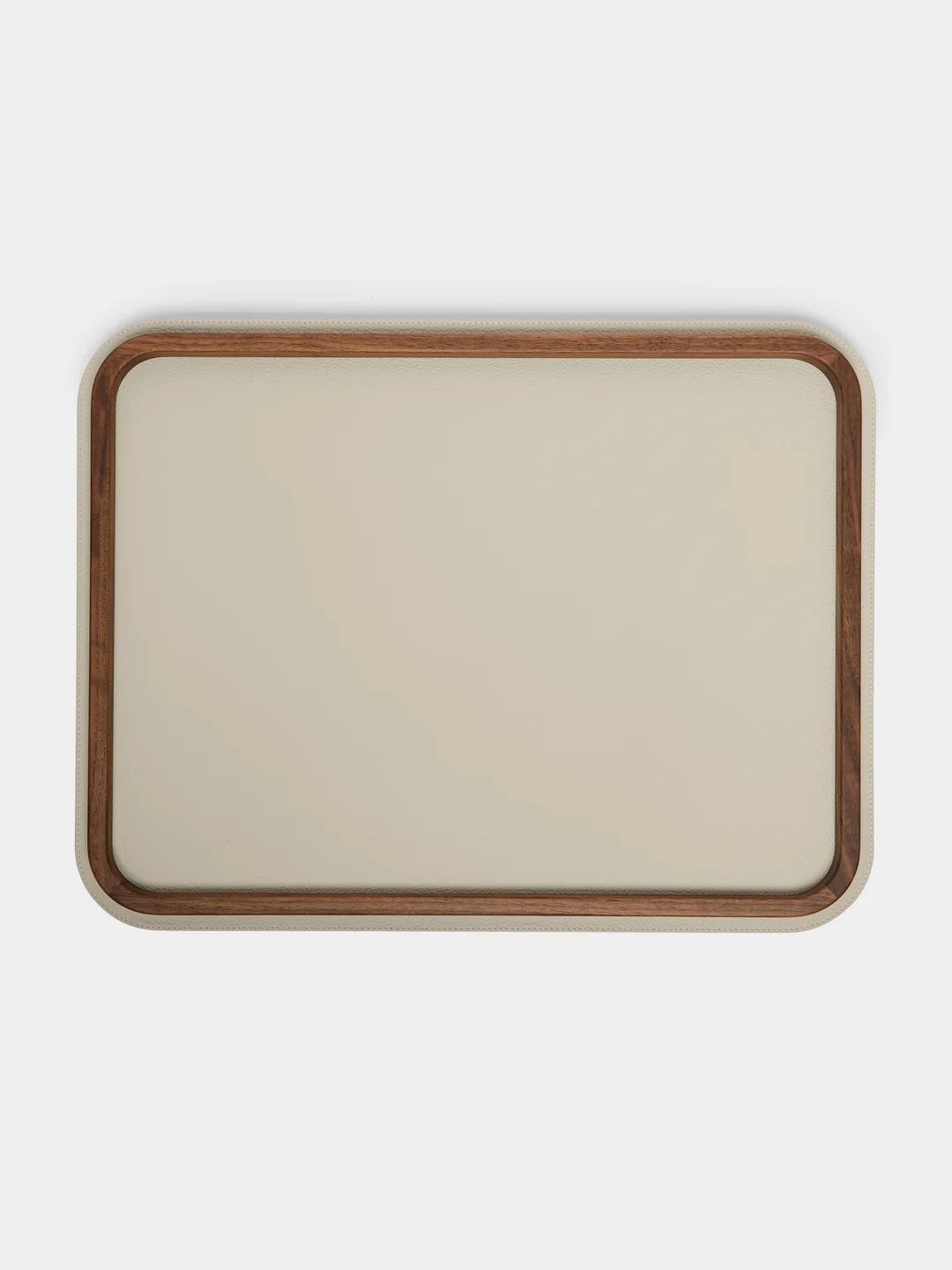
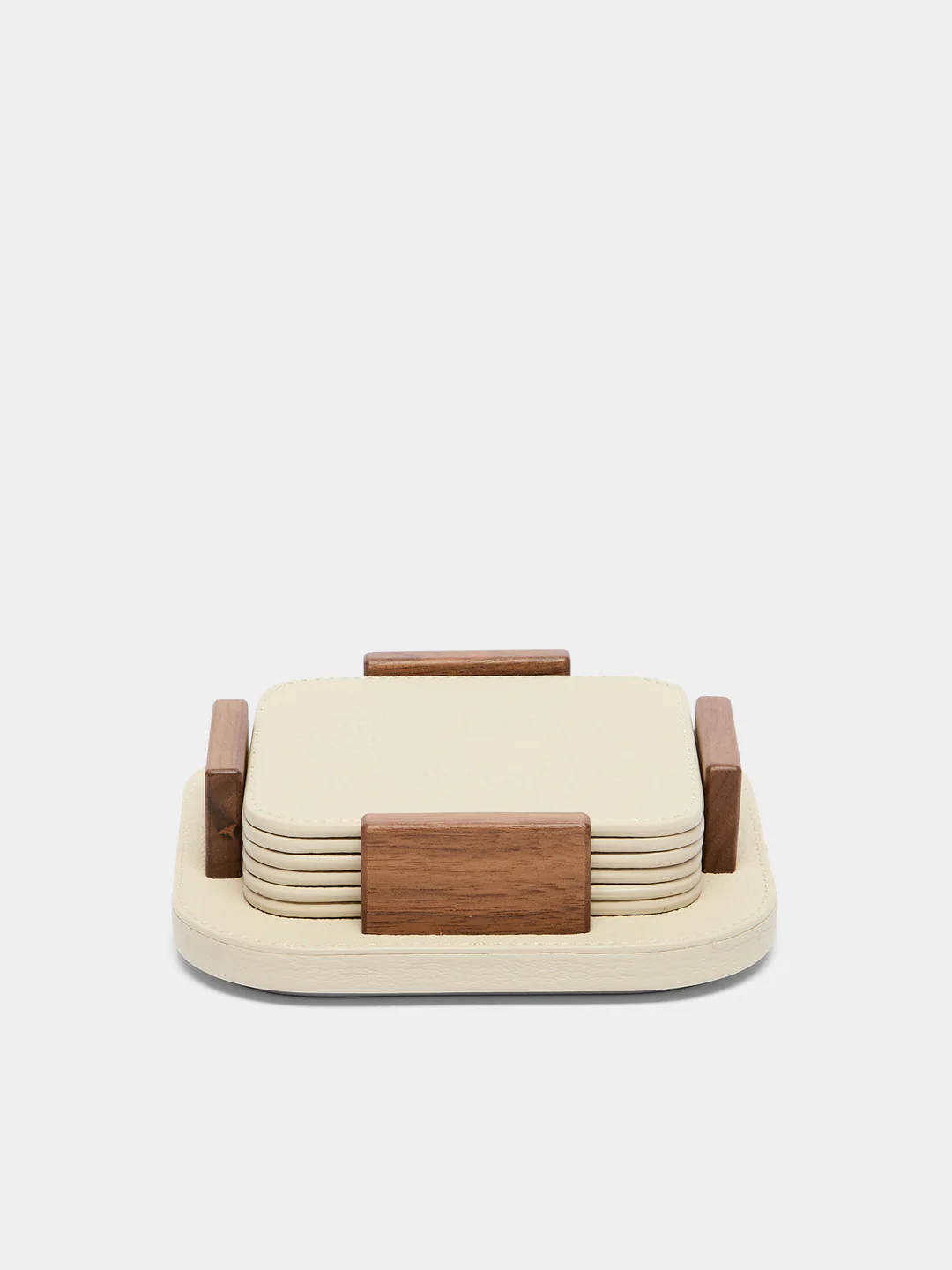
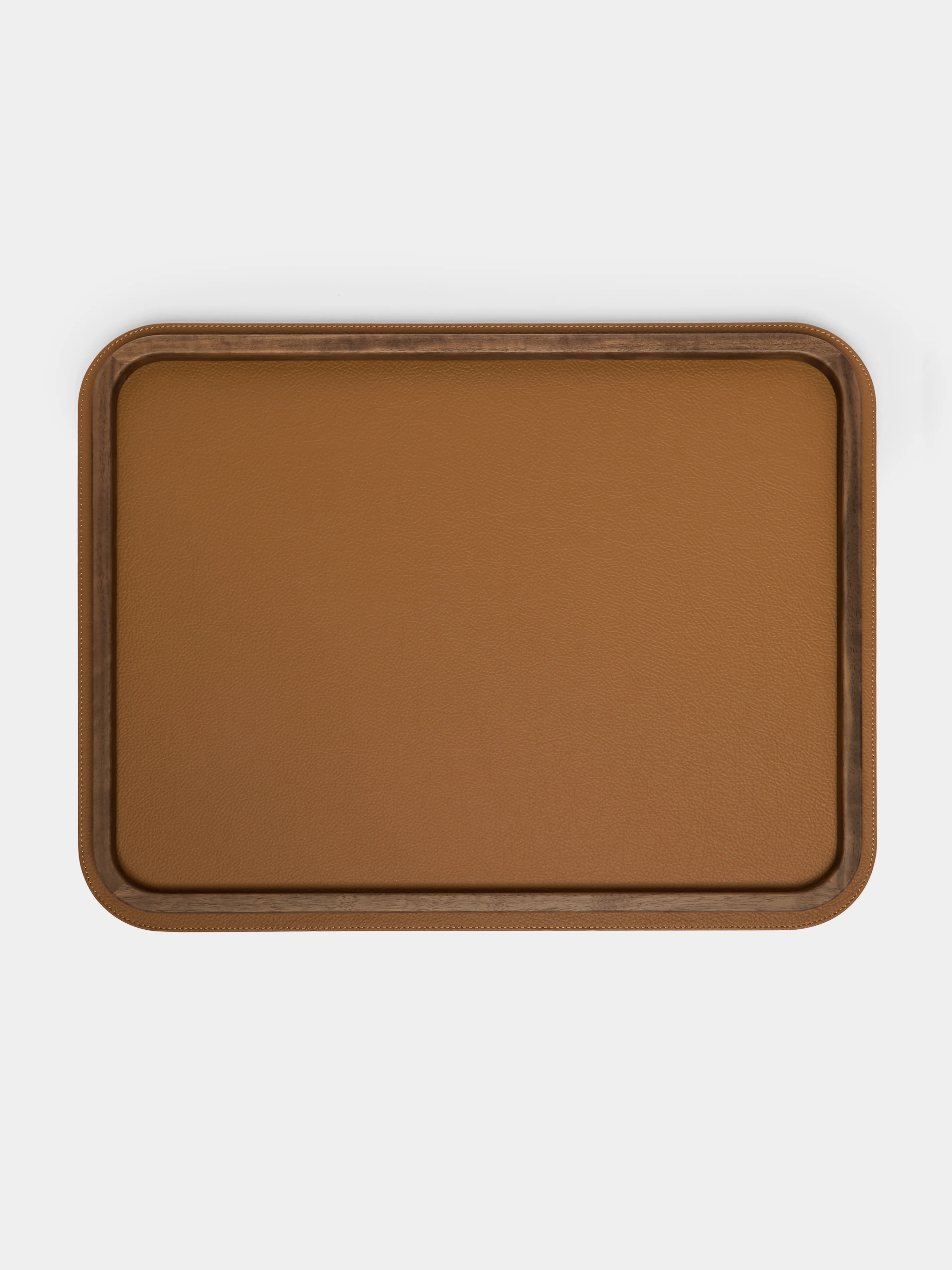
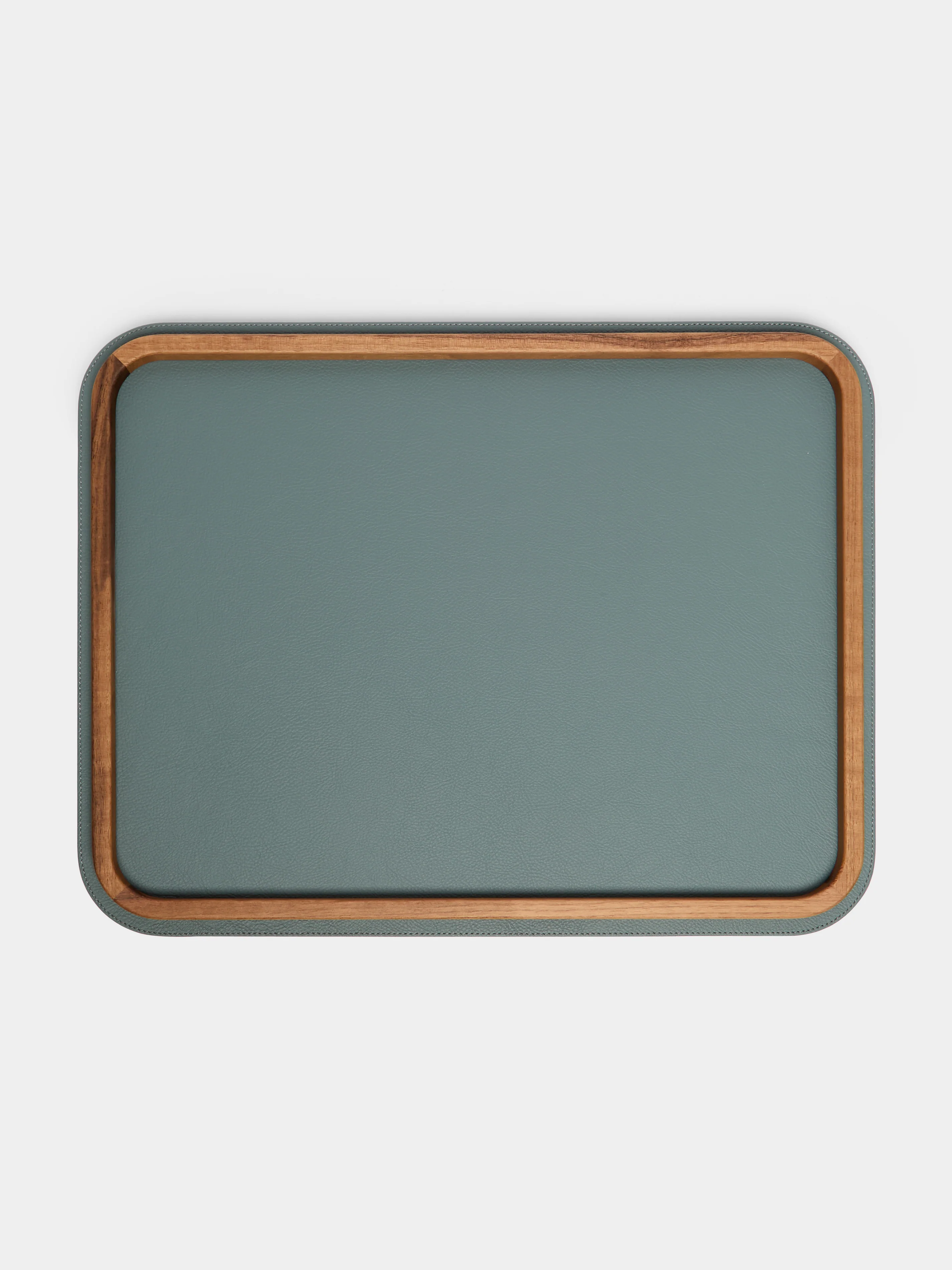
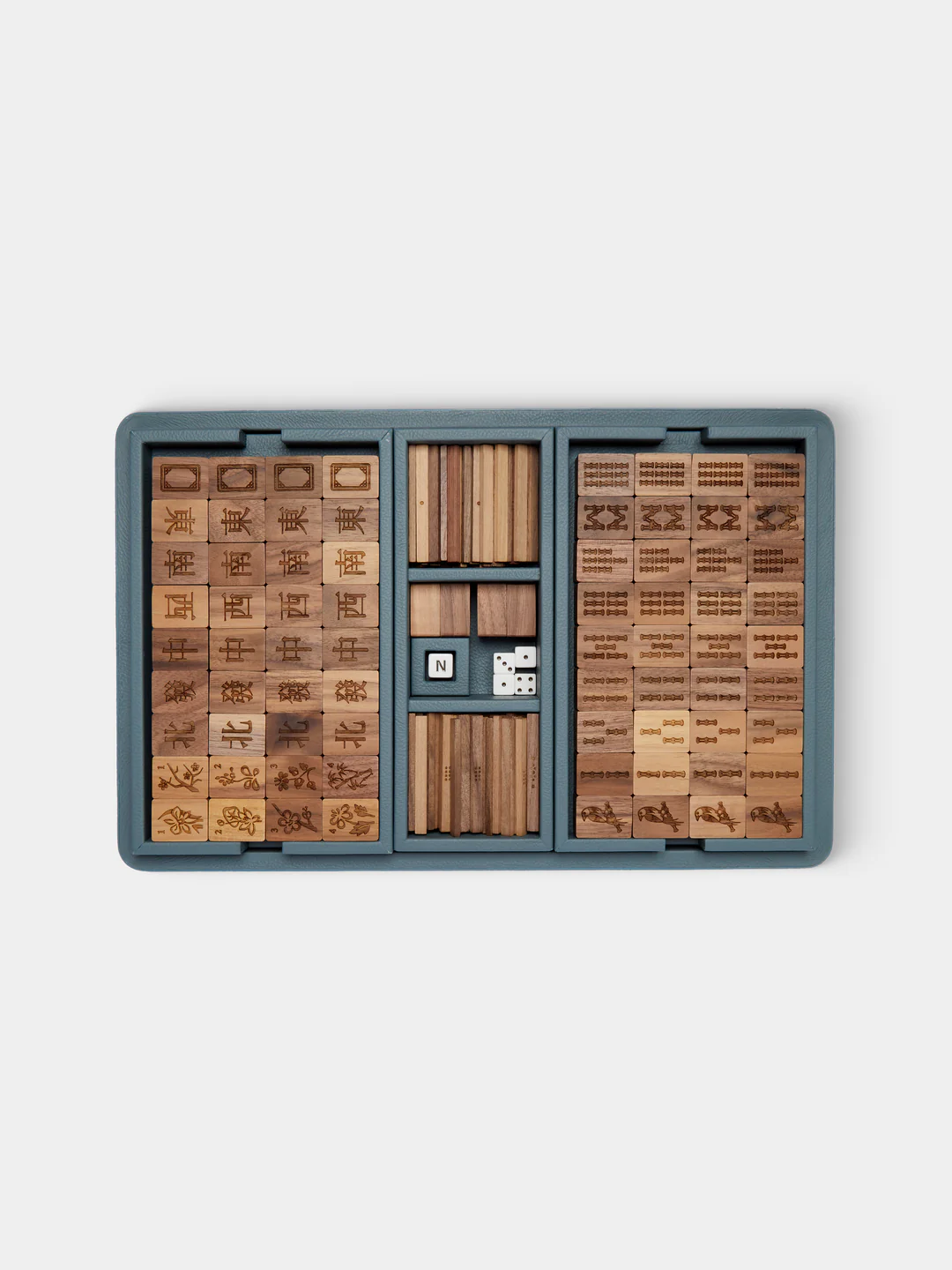
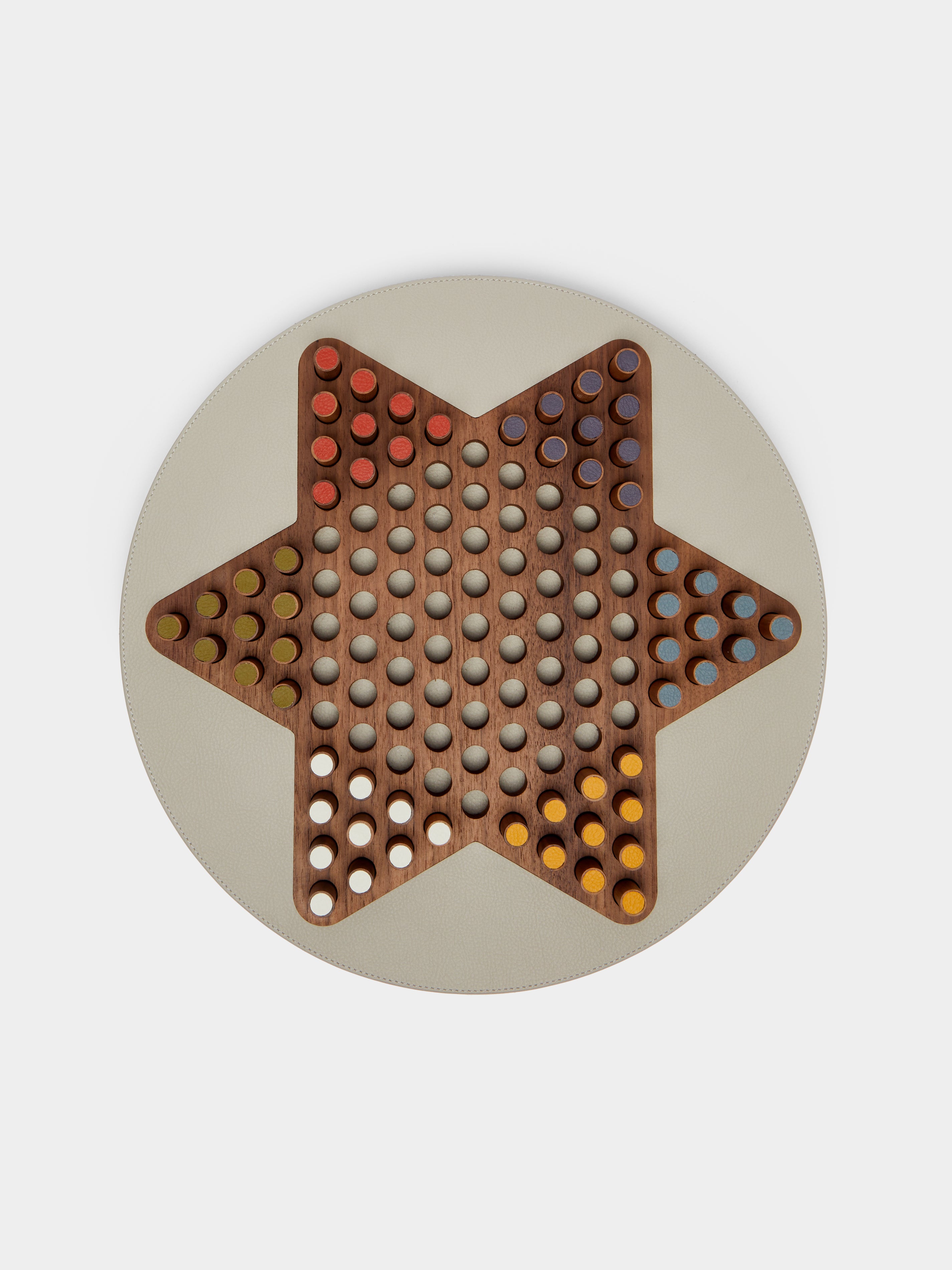
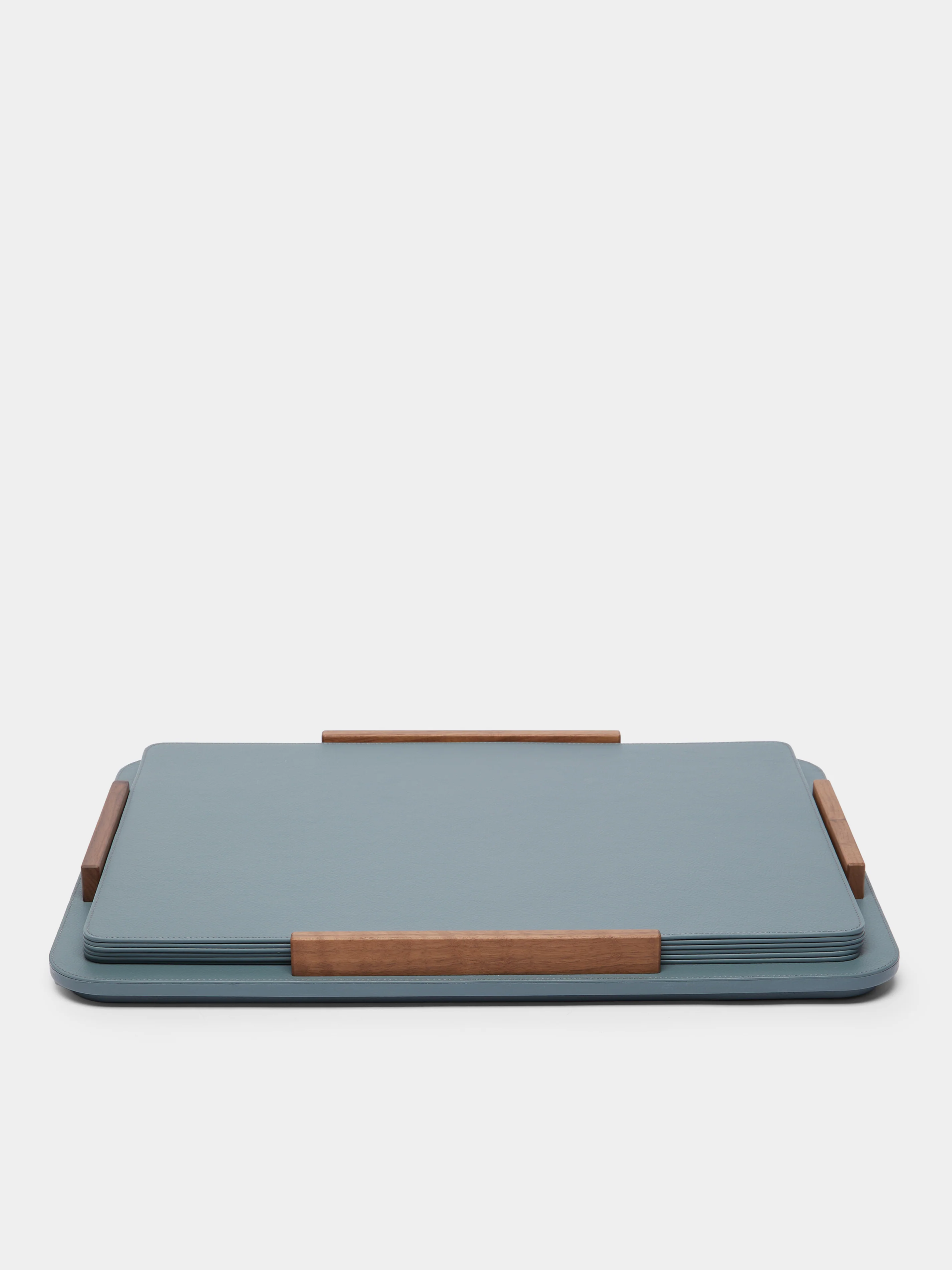
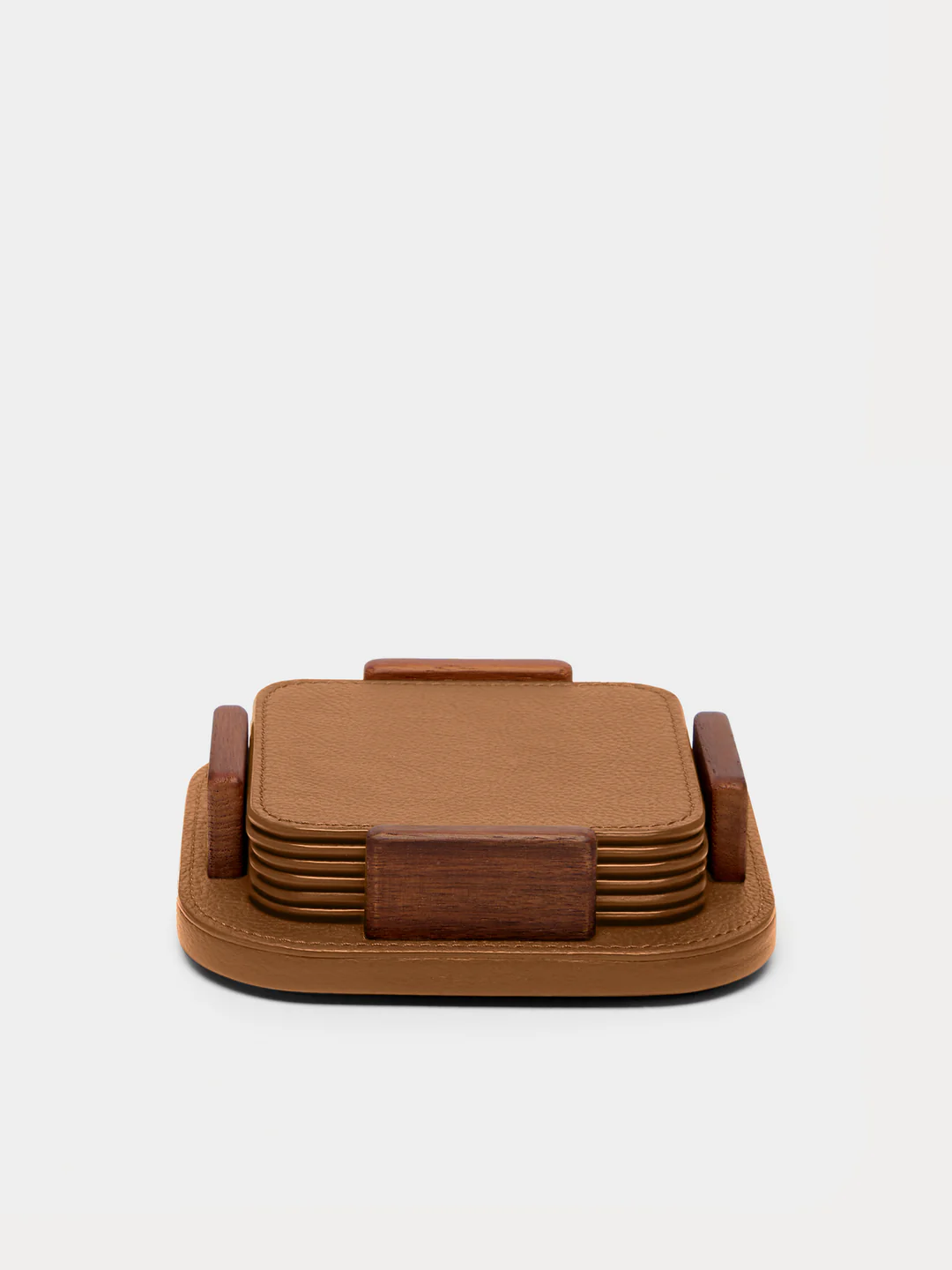
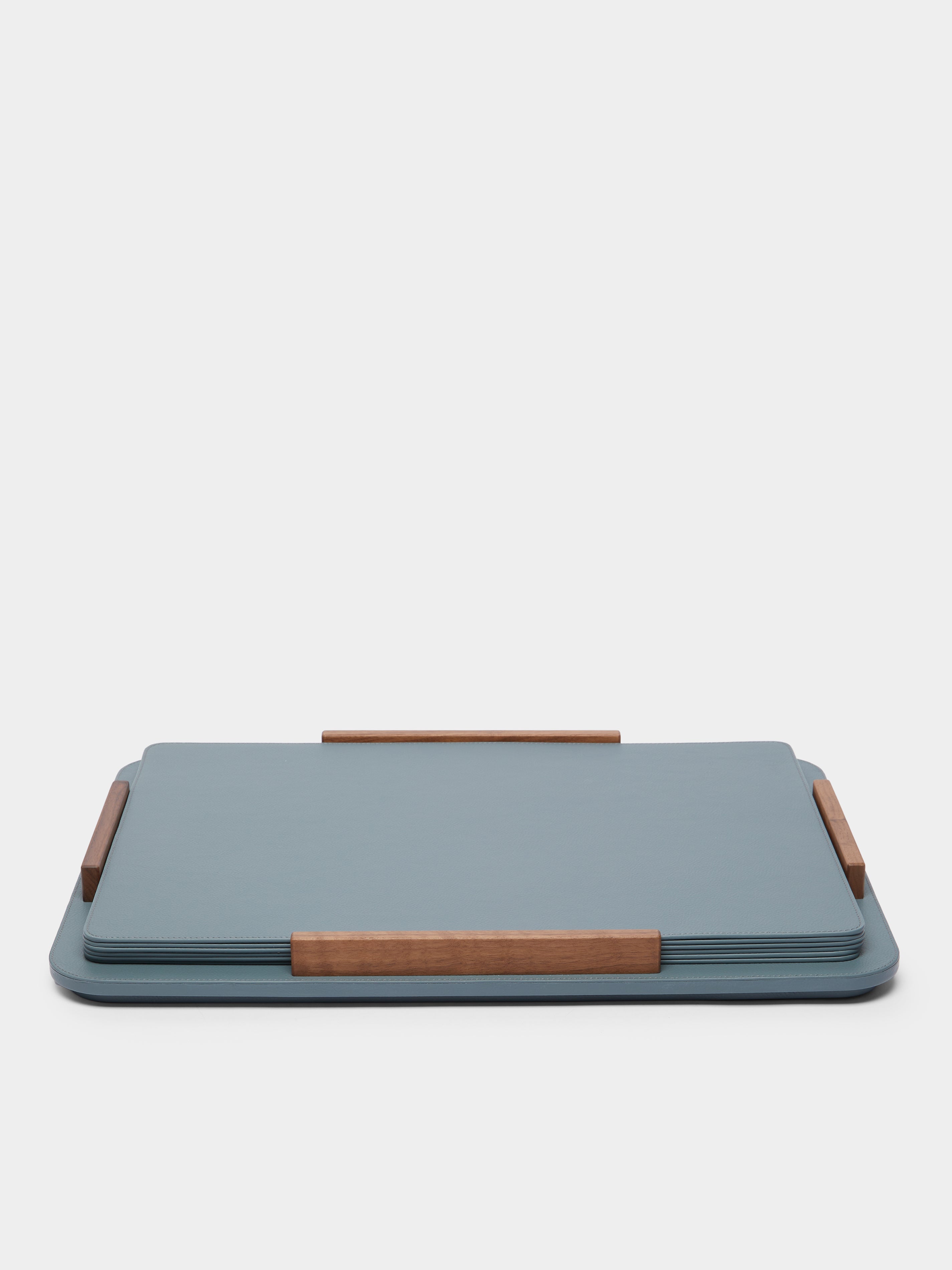
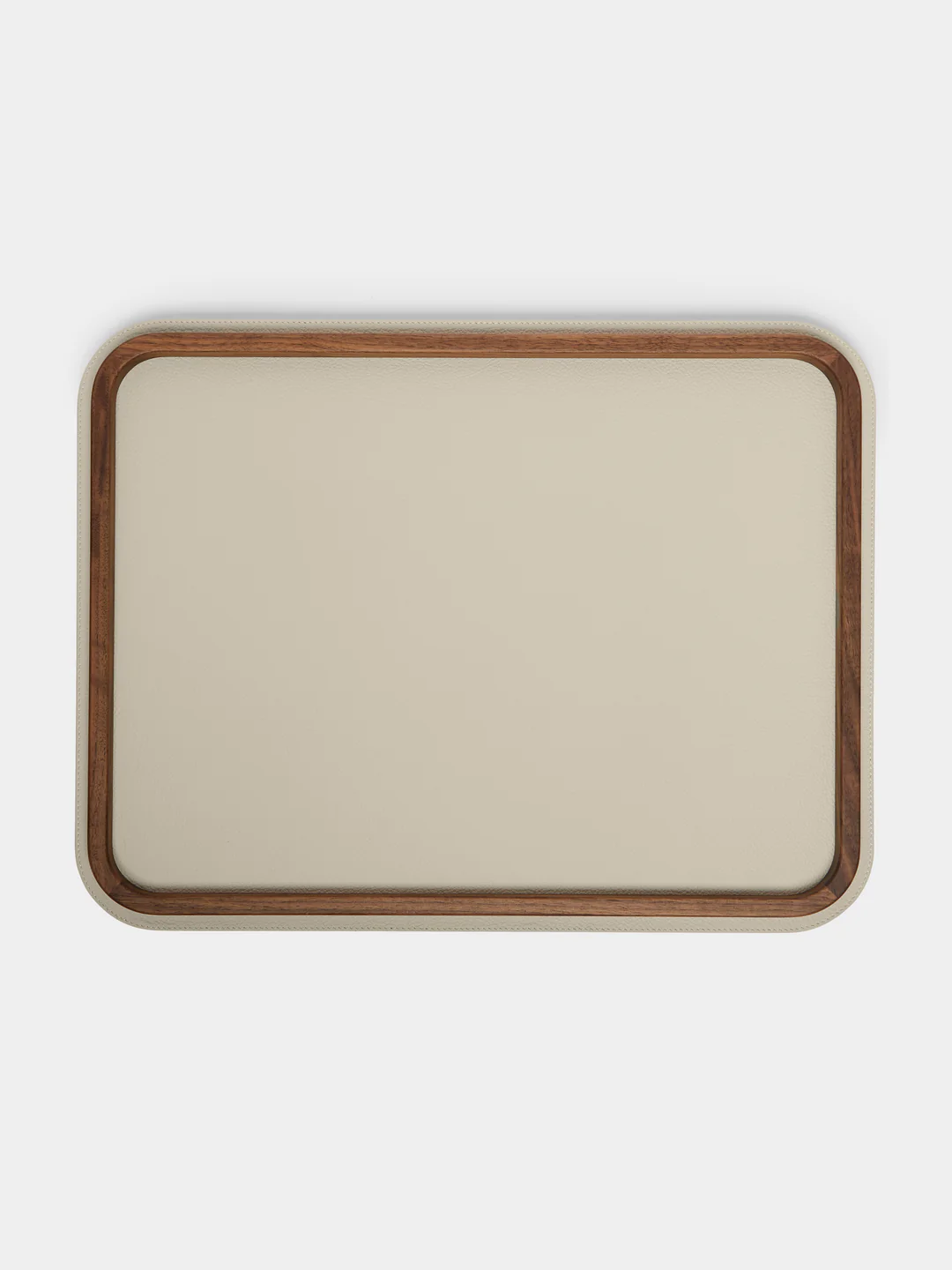
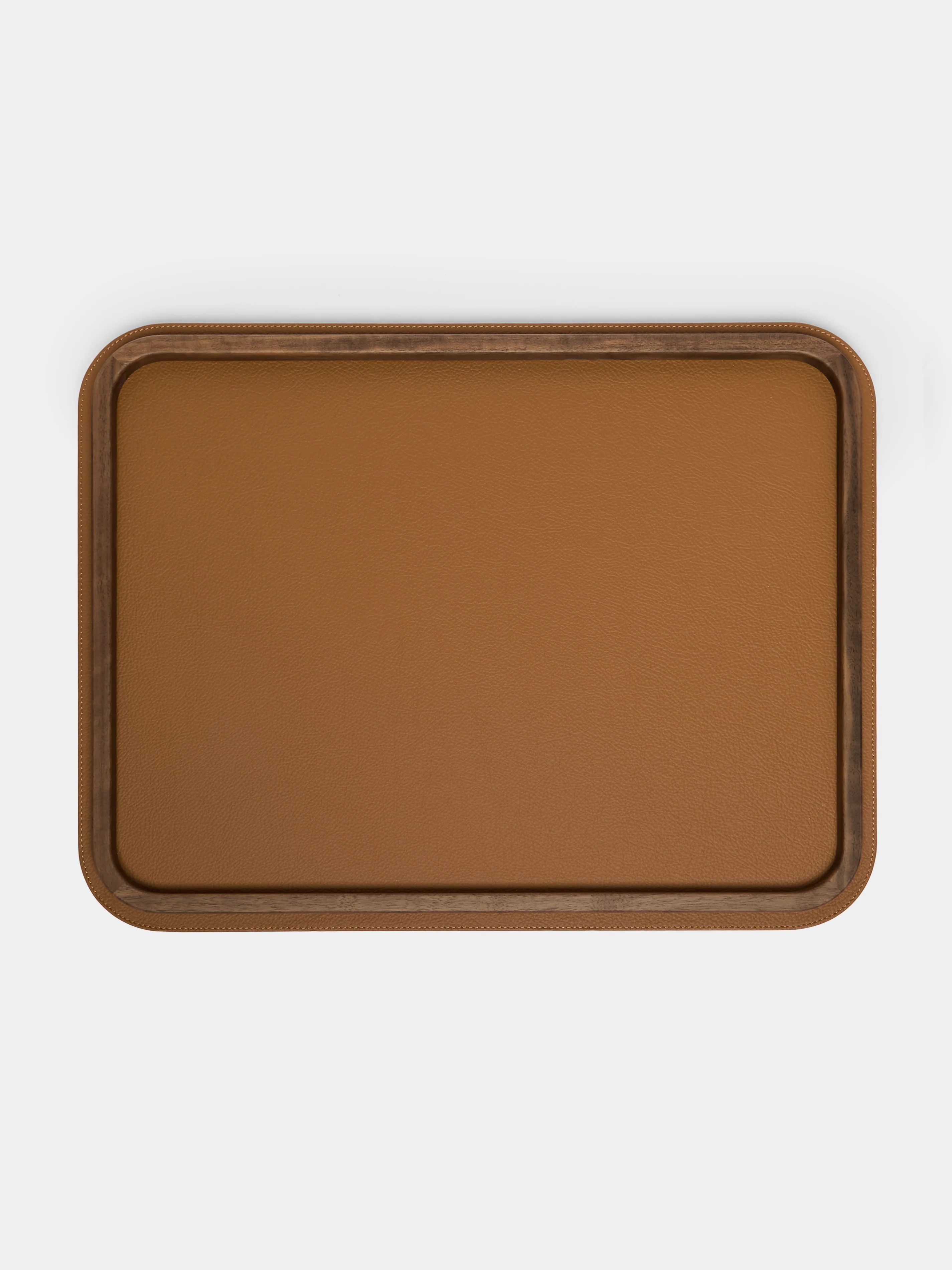
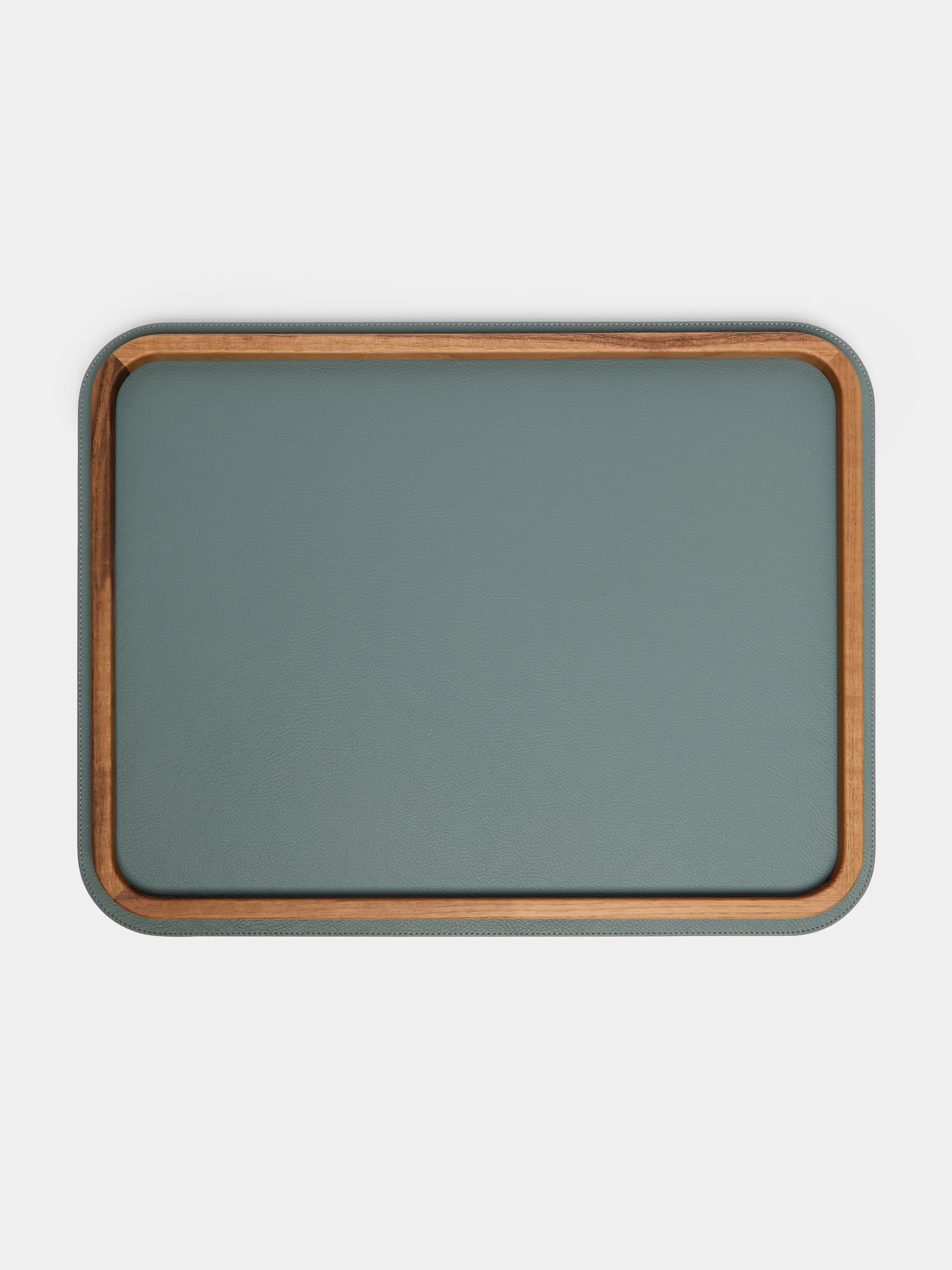
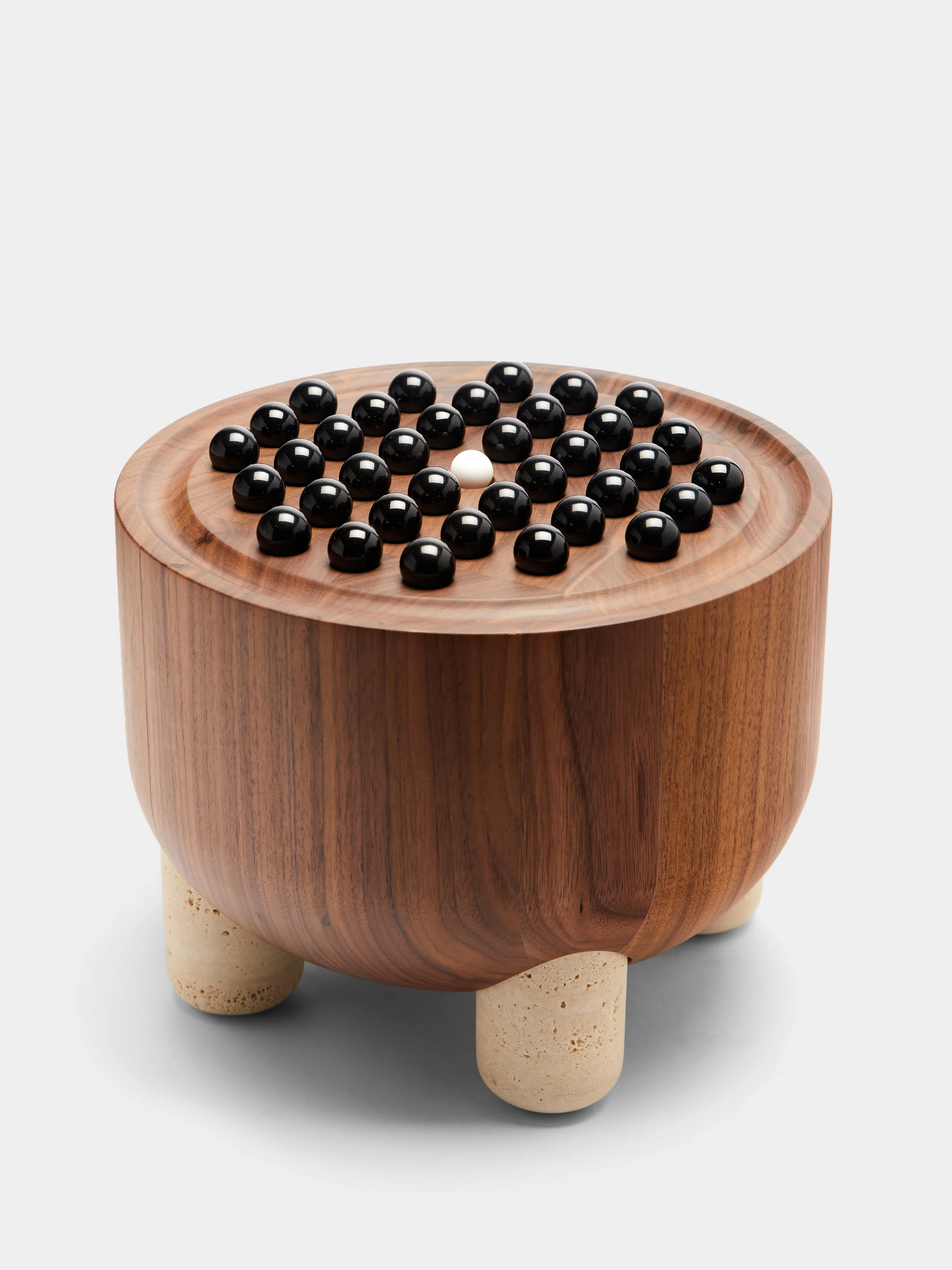
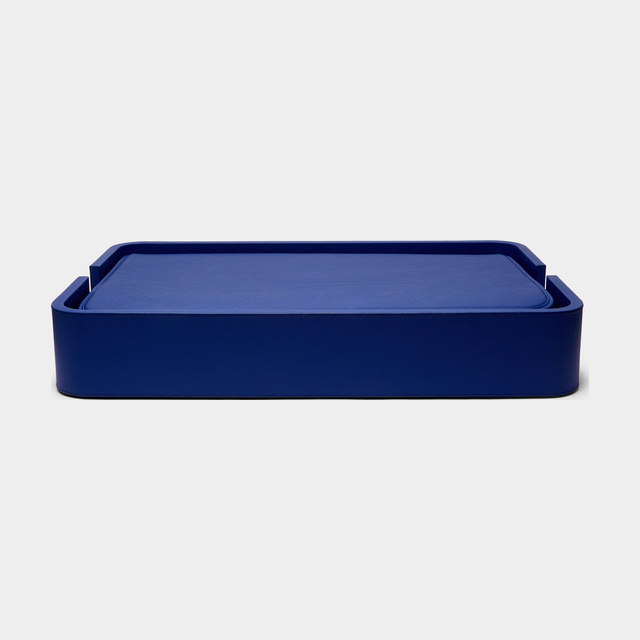
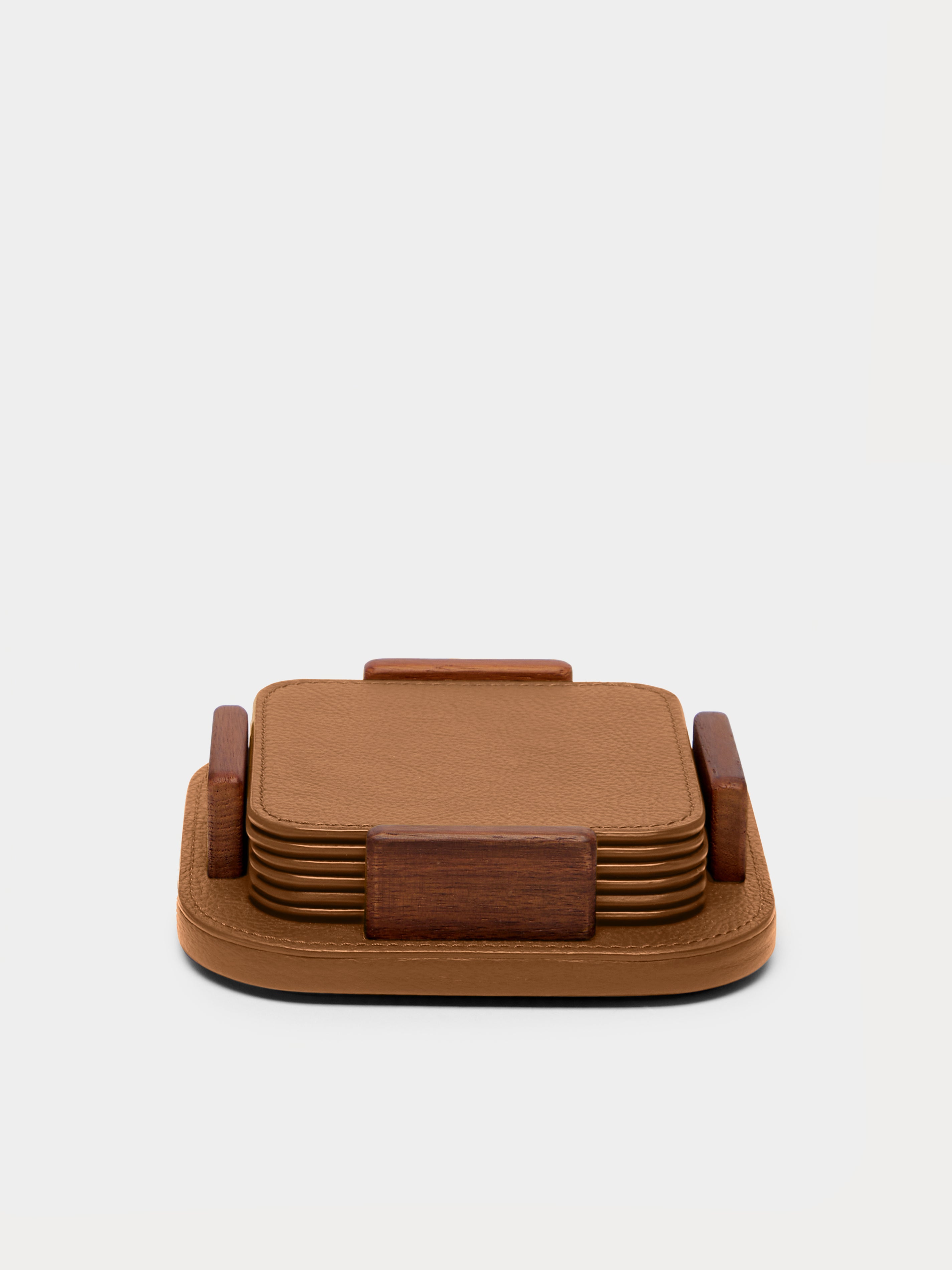
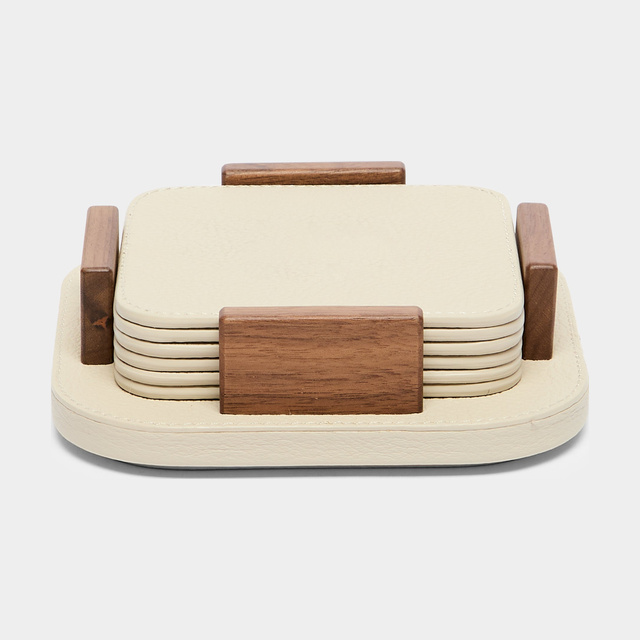
History of Giobagnara The story of Giobagnara is rooted in a family tradition of fine craftsmanship. Giorgio Bagnara, coming from a family with deep ties to the decor industry, recognized a gap in the market for high-end, customizable leather accessories for the home. In 1999, he founded the brand in Genoa, Italy, with the goal of applying traditional fashion-grade leather techniques to interior design objects. The brand's philosophy centers on the "Art of Living," where everyday items—from trays and jewelry boxes to small furniture—are elevated through exquisite materials like calfskin, shagreen, and suede.
What sets Giobagnara apart is its extraordinary flexibility. By controlling its own production in Italy, the brand offers a level of personalization that is rare in the luxury sector. This "couture" approach has made Giobagnara a preferred partner for world-class hotels, prestigious yacht builders, and private aviation firms. Over the years, the company has expanded its influence by acquiring other heritage brands and collaborating with visionary designers, ensuring that "Handmade in Italy" remains a hallmark of global excellence.
Key Chronology The brand’s evolution is marked by strategic growth and creative expansion. It began in 1999 with Giorgio Bagnara establishing the workshop in Genoa, focusing on high-quality leather home accents. A major milestone occurred in 2015 when the brand acquired Piglée, a specialist in luxury leather-covered objects, which enhanced its technical capabilities. In 2017, Giobagnara further solidified its market position by acquiring the renowned saddle-leather brand Rudi. The following years saw prestigious collaborations with designers like Stephane Parmentier, who became the brand’s creative director, bringing a structural, architectural aesthetic to the collections. Today, Giobagnara operates a massive creative hub in Genoa and continues to dominate the luxury bespoke market, proving that traditional craftsmanship can thrive in a modern, globalized world.
Giobagnara
designers





Updated at: